 Save
Save There's something quietly magical about pulling a warm flatbread from the pan and watching steam rise off its golden surface. I discovered these cottage cheese flatbreads on a lazy Sunday afternoon when I was trying to use up some Greek yogurt before it expired, and found myself with the most tender, subtly tangy bread that made even plain butter taste special. What started as a pantry-cleaning experiment became something I now make at least twice a month, especially when I want something homemade without the commitment of traditional bread-making.
I made these for my book club once, served them warm with whipped ricotta and roasted tomatoes, and watched people actually pause their conversation to ask for the recipe. That moment—when food becomes the main event instead of just the background—that's when you know you've got something worth repeating.
Ingredients
- Plain flour (200 g / 1 2/3 cups, plus extra for dusting): The foundation that gives your flatbreads structure; I always keep extra on hand because humidity affects how much you'll actually need.
- Greek yogurt (120 g / 1/2 cup): This creates moisture and tenderness while adding a subtle tang that makes people wonder what your secret is.
- Cottage cheese (100 g / 1/2 cup): The star ingredient that keeps these breads impossibly soft and gives them a delicate texture you can't achieve any other way.
- Baking powder (1/2 tsp): Just enough lift to make them pillowy without making them puffy.
- Fine sea salt (1/2 tsp): Don't skip this; it brightens all the subtle flavors.
- Olive oil or melted butter (2 tbsp for cooking): Choose based on your mood—butter for richness, olive oil for a lighter feel.
Tired of Takeout? 🥡
Get 10 meals you can make faster than delivery arrives. Seriously.
One email. No spam. Unsubscribe anytime.
Instructions
- Mix your base:
- Combine the flour, baking powder, and salt in a large bowl. This dry blend is your canvas, and mixing it first ensures the leavening is evenly distributed.
- Bring it together:
- Add the Greek yogurt and cottage cheese to the dry ingredients and mix with a spoon or your hands until a shaggy, rough dough forms. It won't look perfect yet, and that's exactly right.
- Knead gently:
- Transfer to a lightly floured surface and knead for just 2–3 minutes until the dough becomes smooth and cohesive. If it's sticking to your hands, dust with a tiny bit more flour, but resist the urge to add too much or your flatbreads will become dense.
- Portion your dough:
- Divide the dough into 6 equal pieces and roll each into a smooth ball. This is easier than it sounds, and the dough is forgiving.
- Roll and rest:
- Working one ball at a time, dust it lightly with flour and roll it into a flat round about 5–6 mm thick. Think of it like a thick crepe, not a thin naan—you want substance that will cook through without becoming cracker-like.
- Heat your pan:
- Place a nonstick skillet or cast iron pan over medium heat and let it warm for a minute or two. This is crucial; you want the pan hot enough to create those golden spots but not so hot it burns the outside before cooking the inside.
- Cook with care:
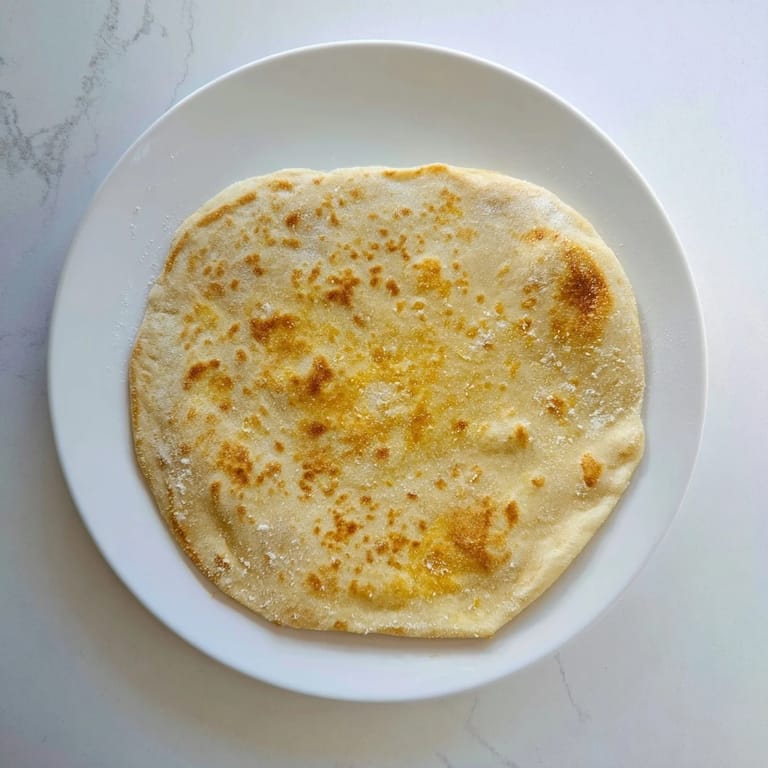
- Brush the pan lightly with oil or butter, then lay a flatbread in the center. Cook for 2–3 minutes until the bottom develops golden-brown spots, then flip and cook the other side for another 2–3 minutes until cooked through and speckled with color.
- Keep them warm:
- As each flatbread finishes, transfer it to a plate and cover loosely with a clean kitchen towel. This keeps them warm and slightly steamed, maintaining that soft texture while you finish cooking the rest.
 Save
Save My favorite moment was when my partner grabbed a warm flatbread before I'd even plated the others, tore it in half, and the steam that came out made him smile like a kid on Christmas morning. That's when I knew these weren't just bread; they were the edible version of coming home.
Why the Cottage Cheese Makes All the Difference
Most yogurt-based flatbreads are good, but the cottage cheese takes them into soft-crumb territory that feels almost naan-like. The curds add moisture and tenderness in a way that plain yogurt alone can't achieve, and the subtle tang gives the flatbreads a depth that makes them interesting enough to eat plain but humble enough to work with literally anything you pair them with. I've served these alongside curries, with hummus and roasted vegetables, stuffed with scrambled eggs at breakfast, and even torn up as croutons in soup.
Flavor Play and Simple Variations
The plain version is my baseline because it's reliable and works with everything, but the real fun happens when you start playing with the dough itself. I've mixed in chopped fresh dill and it transformed these into something that felt fancy enough for a dinner party, added minced garlic and they became an automatic side for anything with sauce, and once experimented with finely chopped fresh parsley mixed into the dough and served them with labneh—it was restaurant-quality simple.
Storage and Making Them Ahead
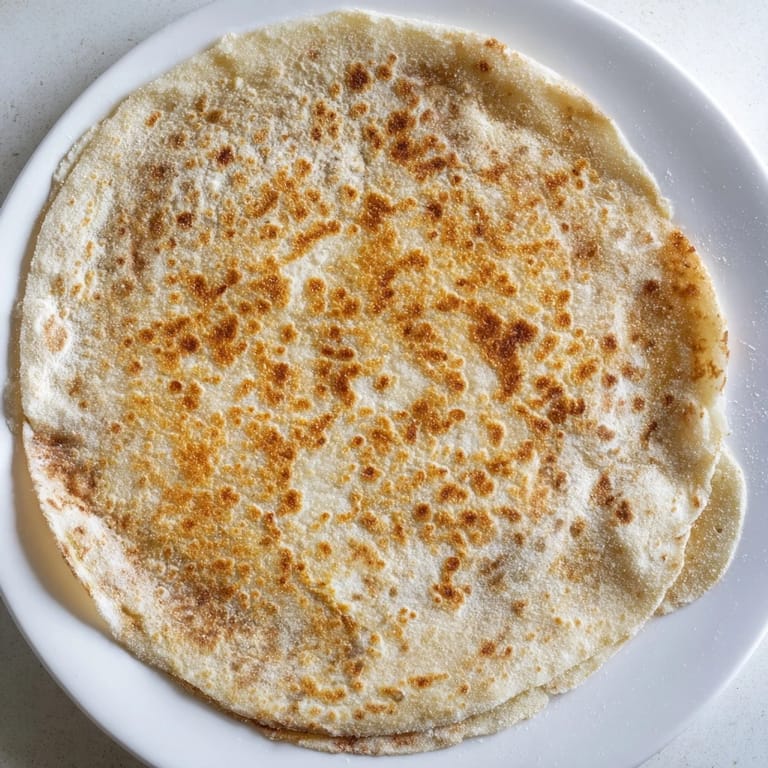
Flatbreads are happiest eaten warm from the pan, but I've learned they keep beautifully if you're thinking ahead. Store them in an airtight container at room temperature for up to two days, and they reheat perfectly in a dry skillet over medium heat for just a minute on each side—they'll puff back to life and taste nearly as good as fresh. I've even frozen them before; let them cool completely, stack them with parchment between each one, wrap tightly, and they'll last up to a month frozen and reheat in about two minutes in a dry pan.
- Let flatbreads cool completely before storing to prevent them from getting soggy.
- Reheat gently over medium heat rather than blasting them at high heat, which can dry them out.
- If you're making these for a gathering, you can prepare and shape all six flatbreads in advance, then cook them just before serving.
 Save
Save These flatbreads are my answer to the question of what to make when you want something homemade and nourishing but don't have time for a long project. They ask very little and give back generously.
Recipe Q&A
- → What makes these flatbreads tender?
The addition of cottage cheese and Greek yogurt enriches the dough, adding moisture and a subtle tang that results in a tender, chewy texture.
- → Can the dough be flavored with herbs?
Yes, mixing chopped herbs like parsley, chives, or dill into the dough before cooking adds fresh, aromatic notes.
- → What cooking fats work best for frying?
Olive oil or melted butter can be used to pan-fry the flatbreads, each lending a slightly different richness and flavor.
- → How should flatbreads be stored and reheated?
Store flatbreads in an airtight container and reheat in a dry skillet to restore warmth and softness without sogginess.
- → Can these flatbreads be used as wraps?
Absolutely, their pliable texture and mild flavor make them ideal for wrapping fillings or serving alongside dips.