 Save
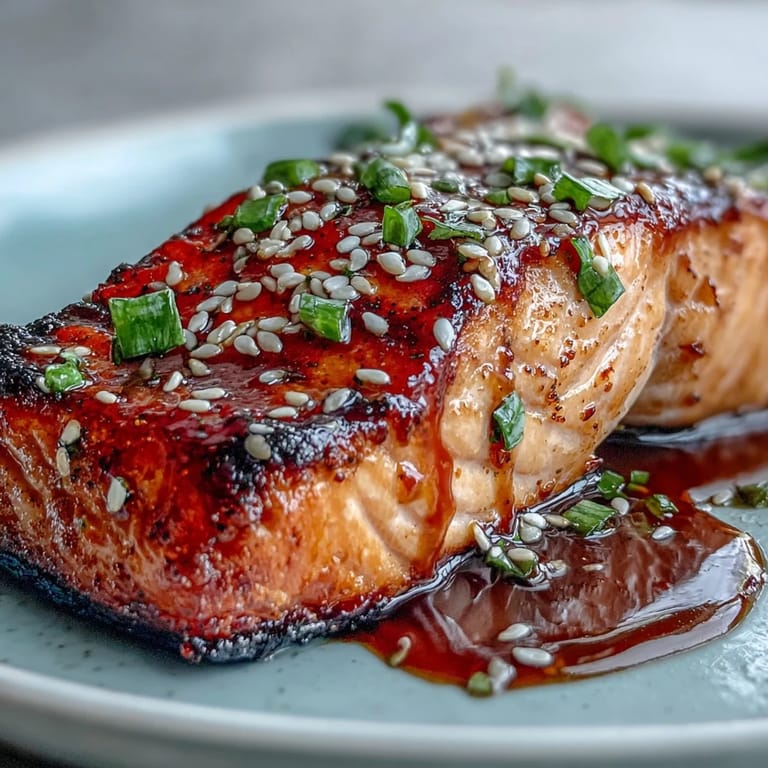
Save My neighbor knocked on my door one Tuesday evening with a bottle of maple syrup from her farm upstate, insisting I do something special with it beyond pancakes. That night, I raided my pantry for soy sauce and ginger, and threw together this glaze almost by accident—but the moment that salmon hit the pan and the kitchen filled with that caramelized, umami-sweet aroma, I knew I'd stumbled onto something worth repeating. Now it's the dish I make when I want to feel like I've cooked something restaurant-worthy in under twenty minutes.
I made this for my sister when she was stressed about her new job, and she sat at my kitchen counter in silence, just eating. Afterward she said, "I didn't have to think about anything except how good this tastes." That's when I realized this dish had a quiet power to it—it brings people back to the present moment, one forkful at a time.
Ingredients
- Salmon fillets (about 150 g each): Look for fillets that are firm and smell like the ocean, not fishy—fresher salmon cooks more evenly and tastes cleaner.
- Pure maple syrup: Don't use the pancake syrup imposters; real maple has a deeper, more sophisticated flavor that balances the salty soy beautifully.
- Low-sodium soy sauce: Regular soy sauce can overshadow the other flavors, so low-sodium lets the maple and ginger shine through.
- Rice vinegar: This adds subtle brightness without the harshness of regular vinegar—it's the ingredient that keeps the glaze from tasting one-dimensional.
- Fresh lime juice: Bottled lime juice feels flat by comparison; fresh is worth the extra thirty seconds of squeezing.
- Sesame oil: A little goes a long way here; it whispers toasted, nutty notes that tie everything together.
- Garlic and ginger: Mince them fresh if you can—that sharp, clean bite makes the difference between good and crave-it-again delicious.
- Jasmine or basmati rice: Choose whichever you prefer; jasmine is slightly sweeter and fragrant, basmati is more delicate and separate.
- Broccoli, snap peas, and red bell pepper: These vegetables stay crisp and colorful with quick cooking, giving the bowl textural contrast and nutritional density.
Tired of Takeout? 🥡
Get 10 meals you can make faster than delivery arrives. Seriously.
One email. No spam. Unsubscribe anytime.
Instructions
- Start your rice first:
- Rinse the rice under cold water until the water runs mostly clear—this removes excess starch so each grain stays separate and fluffy. Combine with water in a medium saucepan, bring to a boil, then reduce heat, cover, and simmer for 12 minutes until tender; let it sit covered for 5 minutes off heat.
- Build the glaze while rice cooks:
- Whisk together maple syrup, low-sodium soy sauce, rice vinegar, fresh lime juice, and sesame oil in a small bowl. Stir in minced garlic and freshly grated ginger, letting the flavors mingle for a moment so the ginger's heat wakes up.
- Season the salmon simply:
- Pat the salmon fillets dry with paper towels, then season just lightly with salt and black pepper—you want to taste the fish, not drown it out.
- Get the pan hot and ready:
- Heat vegetable oil in a large nonstick skillet over medium-high heat until it shimmers and moves easily around the pan. This matters because it helps create a gentle crust on the salmon without sticking.
- Cook salmon skin-side down first:
- Place fillets skin-side down (if you have skin-on) and cook for exactly 3 minutes without moving them—you'll hear a gentle sizzle that slows down as the proteins set. The skin crisps up and acts like a barrier, keeping the inside tender.
- Flip and glaze with intention:
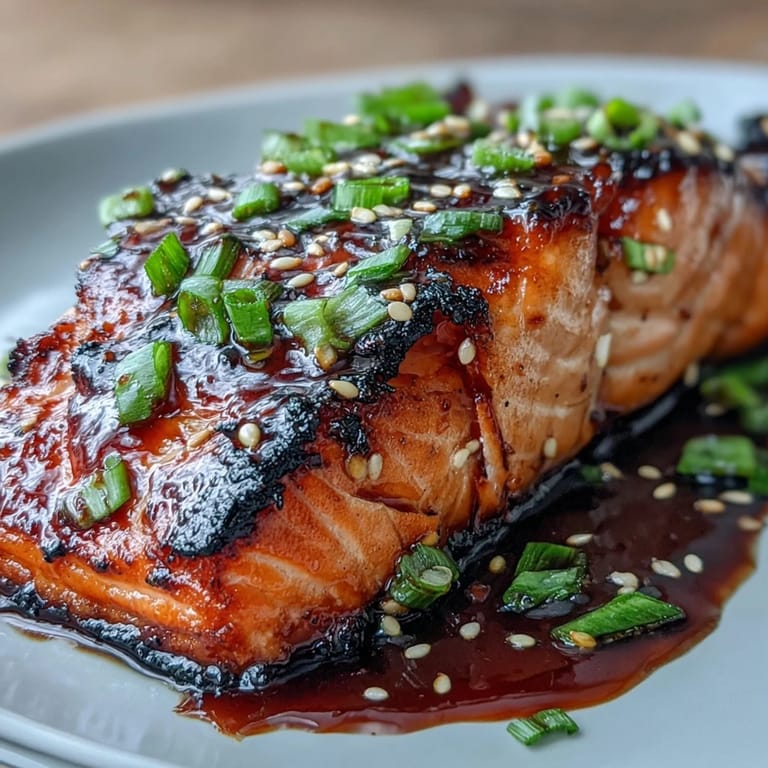
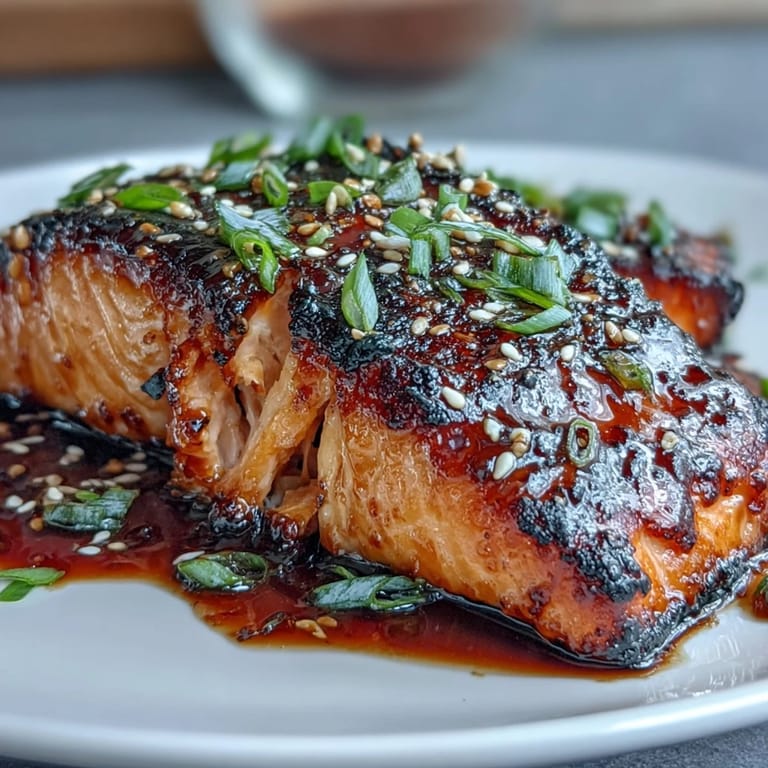
- Turn the salmon over carefully, then pour the glaze directly over each fillet. Continue cooking for 3 to 4 minutes, spooning the glaze over the fish every minute or so—you'll watch it thicken and turn glossy, coating the salmon in a beautiful caramelized layer.
- Cook vegetables while salmon finishes:
- Heat a separate pan or use a steamer basket for broccoli florets, snap peas, and sliced red bell pepper; cook for about 3 to 4 minutes just until they're crisp-tender and still have a little snap. Season lightly with salt.
- Assemble and serve warm:
- Divide the fluffy rice among bowls, arrange the crisp vegetables on top, and nestle a glazed salmon fillet alongside. Drizzle any extra glaze from the pan over everything, then garnish with sliced green onions, toasted sesame seeds, and lime wedges for brightness.
 Save
Save I've served this dish to friends who claim they don't cook, and they've asked me for the recipe three times because they can't believe how forgiving it is. There's something about salmon's natural richness paired with the brightness of this glaze that makes everyone feel taken care of, without any fussiness required.
Why This Glaze Works Magic
The genius of this combination is that maple syrup and soy sauce are already flavor partners in Asian-inspired cooking, but adding rice vinegar and fresh lime juice keeps it from becoming cloying. The sesame oil adds depth, while garlic and ginger give it a fresh edge that cuts through the richness of the salmon itself. It's a glaze that feels sophisticated but comes together in under five minutes with ingredients most kitchens already have on hand.
Timing Is Everything Here
The reason this meal comes together in twenty minutes is because every component is timed to finish at the same moment—the rice simmers while you prep, the glaze comes together while the rice cooks, and the vegetables are the quickest element so they hit the pan last. There's a rhythm to it, almost musical, and once you've made it twice you'll understand the flow without even looking at the steps.
Making This Dish Your Own
The beauty of this recipe is that it welcomes adaptation without losing its identity—I've added a pinch of red pepper flakes for heat on nights when I wanted something with more fire, and I've swapped the maple syrup for honey once when that's all I had, which created a slightly different but equally delicious result. The core balance of sweet, salty, sour, and umami stays intact no matter what adjustments you make, which is why this glaze is so reliable.
- Try asparagus or thin carrot slices if snap peas aren't available—anything with a quick cooking time works beautifully here.
- If you're sensitive to heat, use regular soy sauce instead of low-sodium, but taste as you go since the flavors will shift.
- Leftovers keep for a day or two refrigerated, though the salmon is best enjoyed fresh and warm.
 Save
Save This is the kind of recipe that earns a permanent spot in your rotation, the one you make when you want to feel capable in the kitchen without spending your whole evening there. Every time I make it, I think about my neighbor and that bottle of maple syrup, and I'm grateful for the accidental discovery that turned into something I genuinely love cooking.
Recipe Q&A
- → Can I use maple syrup substitutes?
Honey or agave nectar work beautifully as alternatives to maple syrup, though maple provides a distinct depth of flavor. Honey will create a slightly thicker glaze, while agave offers a lighter sweetness.
- → Is this dish freezer-friendly?
The cooked salmon and vegetables can be stored in the freezer for up to 2 months. However, for best results, freeze components separately and reheat gently to maintain texture. The glaze may thin slightly upon reheating.
- → What vegetables work best?
Broccoli, snap peas, and bell peppers offer excellent color and crunch. Asparagus, carrots, snow peas, or bok choy also complement the Asian-inspired flavors beautifully. Aim for quick-cooking varieties that stay crisp-tender.
- → Can I make this gluten-free?
Absolutely. Simply swap regular soy sauce for tamari or gluten-free soy sauce. All other ingredients, including pure maple syrup and rice vinegar, are naturally gluten-free.
- → How do I know when salmon is done?
The salmon is perfectly cooked when it flakes easily with a fork and reaches an internal temperature of 145°F (63°C). The flesh should turn opaque and slightly pink throughout, with a glossy caramelized coating from the reduced glaze.
- → Can I grill instead of pan-sear?
Grilling works wonderfully. Brush the glaze on during the last 2 minutes of cooking to prevent burning. The smoky char from the grill adds another layer of flavor that pairs exceptionally well with the maple-soy sweetness.