 Save
Save The first time I encountered shakshuka was on a crowded morning in a tiny café where the owner barely had room to move between tables, yet somehow managed to deliver steaming bowls of this stunning red sauce with perfectly nestled eggs. I watched her crack each one with such casual confidence, and minutes later, that runny yolk broke into the spiced tomato sauce like liquid gold. Since then, I've made it countless times, and it never fails to feel like a small celebration of breakfast, lunch, or dinner.
I made this for a group of friends on a lazy Sunday, and someone asked if I'd learned this from my mother—I hadn't—but watching them tear into the warm pita and scoop up those soft eggs, I understood why people pass recipes down like secrets. By the end of the meal, two of them were already asking for the ingredient list.
Ingredients
- Onion (1 large, finely chopped): This builds the foundation of your sauce; don't skip the step of letting it soften completely, as it mellows into sweetness that balances the spices.
- Red and yellow bell peppers (1 of each, diced): The color isn't just for show—each adds subtle flavor notes that layer beautifully together.
- Garlic (3 cloves, minced): Add this after the peppers soften so it perfumes the oil without burning and turning bitter.
- Baby spinach (2 cups, optional): It wilts into nearly nothing, adding earthiness and nutrients without changing the dish's core character.
- Jalapeño (1, seeded and finely chopped, optional): If you want gentle heat, leave the seeds in; this is how I learned to control the spice level to match my mood.
- Olive oil (2 tablespoons): Use something you'd actually drizzle on bread—it carries the spices and deserves to be good quality.
- Ground cumin, paprika, and coriander (1 teaspoon each, ½ teaspoon): Toast these briefly in the oil before adding tomatoes; this single step awakens their warmth and depth.
- Cayenne pepper (¼ teaspoon, optional): A pinch goes far here—start conservatively and taste as you go.
- Crushed tomatoes (28-ounce can): Canned is better than fresh here; it's already broken down and consistent, which gives you a silky sauce.
- Sugar (1 teaspoon): A small amount tames acidity and rounds out the sauce's flavor without making it sweet.
- Salt and black pepper: Taste as you simmer and adjust; the sauce should be bold enough that you notice it immediately.
- Eggs (4 to 6 large): Room temperature eggs nestle more gently into hot sauce; cold ones can crack from the temperature shock.
- Fresh cilantro or parsley (¼ cup, chopped): Scatter this on top at the end for brightness and a hint of freshness that cuts through the richness.
- Crumbled feta cheese (½ cup, optional): If you use it, add it after plating so it doesn't melt completely into the sauce and disappear.
- Warm pita bread (4): Warm them just before serving so they're soft enough to tear and hold the scoops of sauce and egg.
Tired of Takeout? 🥡
Get 10 meals you can make faster than delivery arrives. Seriously.
One email. No spam. Unsubscribe anytime.
Instructions
- Warm the oil and soften your onions:
- Heat olive oil in your skillet over medium heat and add the chopped onion, letting it cook gently for about 3 minutes until it turns translucent and starts to soften. You'll notice the oil beginning to smell sweet and savory at the same time—that's your signal to move forward.
- Add the peppers and heat:
- Stir in the diced red and yellow bell peppers along with the jalapeño if you're using it, and let them cook for 5 minutes, stirring occasionally, until they begin to soften and release their juices. The kitchen will smell brighter now, almost festive.
- Build the spice base:
- Add the minced garlic, cumin, paprika, coriander, and cayenne if using, and stir constantly for about 1 minute—this is the moment when all those spices wake up and perfume everything. Don't let this step go longer or the garlic can scorch and turn acrid.
- Bring in the tomatoes:
- Pour in your crushed tomatoes, add the sugar, and season with salt and pepper, then let everything simmer uncovered for 10 to 12 minutes, stirring now and then, until the sauce thickens and deepens in color. You want it thick enough that it coats the back of a spoon.
- Wilt the greens (if using):
- If you're adding spinach, stir it in now and cook for just 2 minutes until it's completely softened and nestled into the sauce. It will reduce dramatically, which always surprises people.
- Create wells for the eggs:
- Using the back of a spoon, make small indentations or wells in the sauce—one for each egg you're cooking—spacing them so they have room to sit without touching each other. This keeps them from cooking into one giant scrambled mass.
- Crack and cover:
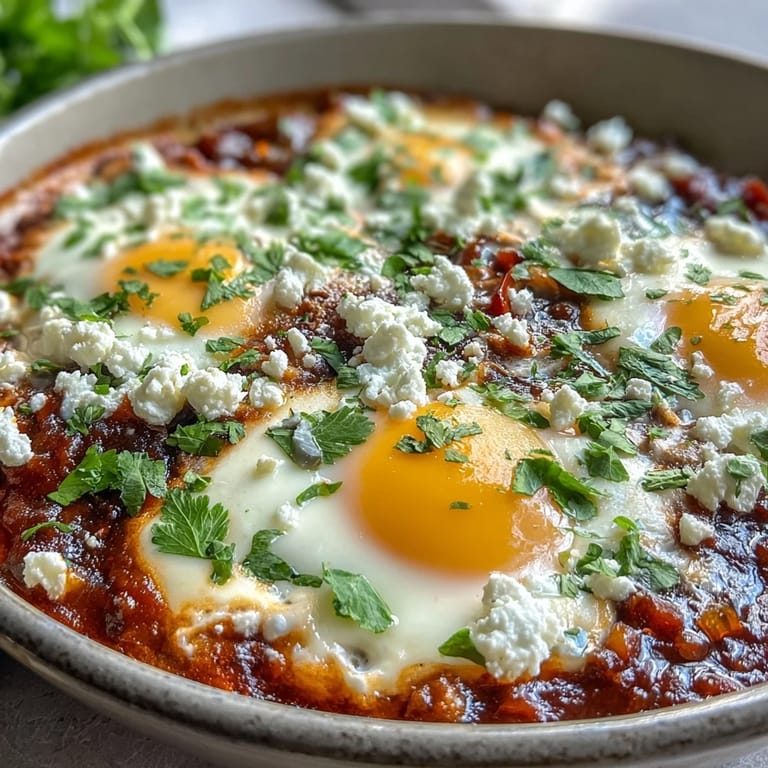
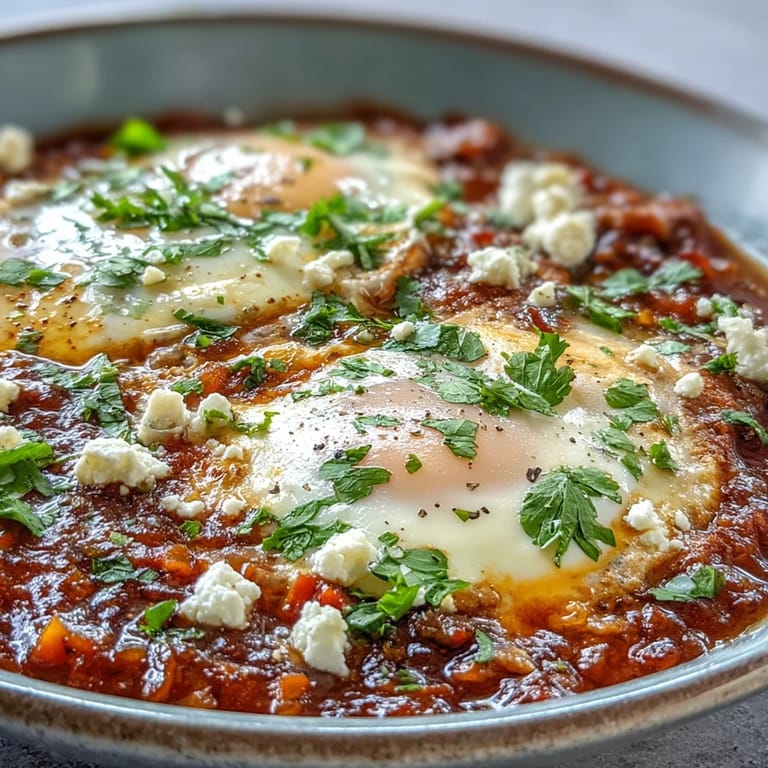
- Crack each egg into its own well, then cover the skillet with a lid and reduce the heat to medium-low, letting the residual heat and steam do most of the work for 6 to 8 minutes. The egg whites will turn opaque and set while the yolks stay soft and runny, which is exactly the goal.
- Finish and serve:
- Remove from heat, scatter cilantro or parsley over the top, add crumbled feta if you'd like, and bring the whole skillet to the table with warm pita bread ready for tearing and dipping.
 Save
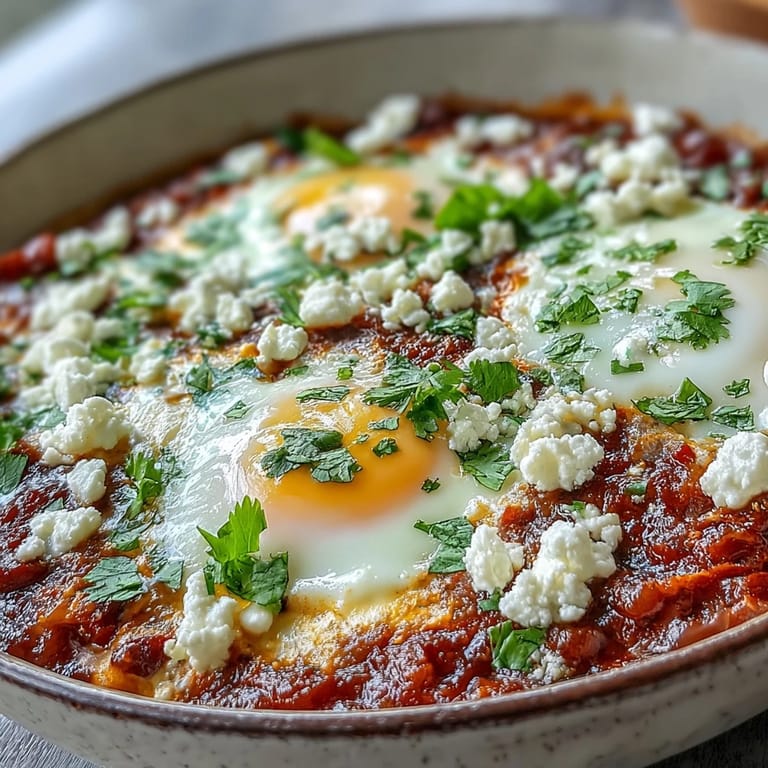
Save There's a moment when you pull that lid off and see the eggs suspended in that ruby-red sauce, still steaming, with the yolks jiggling slightly under their barely-set whites—that's when food stops being fuel and becomes an experience. It's why I keep coming back to this dish, why I've taught it to friends, and why it feels like home no matter where I'm cooking it.
Why This Sauce Is Different
Most tomato-based sauces I make tend toward brightness and acidity, but this one is warm and enveloping, which comes from that careful combination of spices layered in at the right moment. The cumin adds earthiness, the paprika brings color and mild smokiness, and the coriander rounds everything into something that feels both exotic and comforting at once.
Customizing Your Heat Level
What I love about shakshuka is how forgiving it is when you want to adjust the spice to match the people around your table. I once made it for my mother who avoids heat entirely, so I simply left out the jalapeño and cayenne, and it was just as delicious—milder, but still fragrant and deeply satisfying.
Serving Variations and Pairing Ideas
Beyond the traditional pita bread, I've served this with torn flatbread, crusty sourdough for dunking, and even over a bed of couscous when I wanted something different. A dollop of thick Greek yogurt or labneh on the side becomes your cool, tangy counterpoint to all that warmth and spice, and it's become my favorite non-negotiable addition.
- A simple green salad with lemon dressing cuts through the richness and refreshes your palate between bites.
- Warm cheese bread or garlic naan adds another layer of comfort if you have the time.
- Coffee or mint tea after feels like the natural ending to this kind of meal.
 Save
Save Shakshuka is that rare dish that satisfies hunger and the need for something special at the same time. Once you've made it once, you'll find yourself reaching for it again and again.
Recipe Q&A
- → What makes shakshuka authentic?
Authentic shakshuka relies on a well-spiced tomato base with cumin, paprika, and coriander. The eggs should be poached directly in the sauce, creating silky whites and runny yolks that blend beautifully when broken.
- → How do I know when the eggs are done?
Cover the skillet and cook for 6–8 minutes. The whites should be fully set and opaque, while yolks remain slightly jiggly when you gently shake the pan. For firmer yolks, cook 2–3 minutes longer.
- → Can I make shakshuka ahead of time?
The tomato sauce reheats beautifully and actually tastes better the next day as flavors meld. Prepare the sauce in advance, then reheat and add fresh eggs when ready to serve.
- → What can I serve with shakshuka?
Warm pita bread is traditional for dipping, but crusty sourdough, naan, or even roasted potatoes work well. A dollop of labneh or Greek yogurt adds cooling contrast to the spiced sauce.
- → How can I adjust the spice level?
Control heat by varying jalapeño and cayenne amounts. For mild shakshuka, omit both entirely. To increase warmth, add more jalapeño seeds or a pinch of red pepper flakes.