 Save
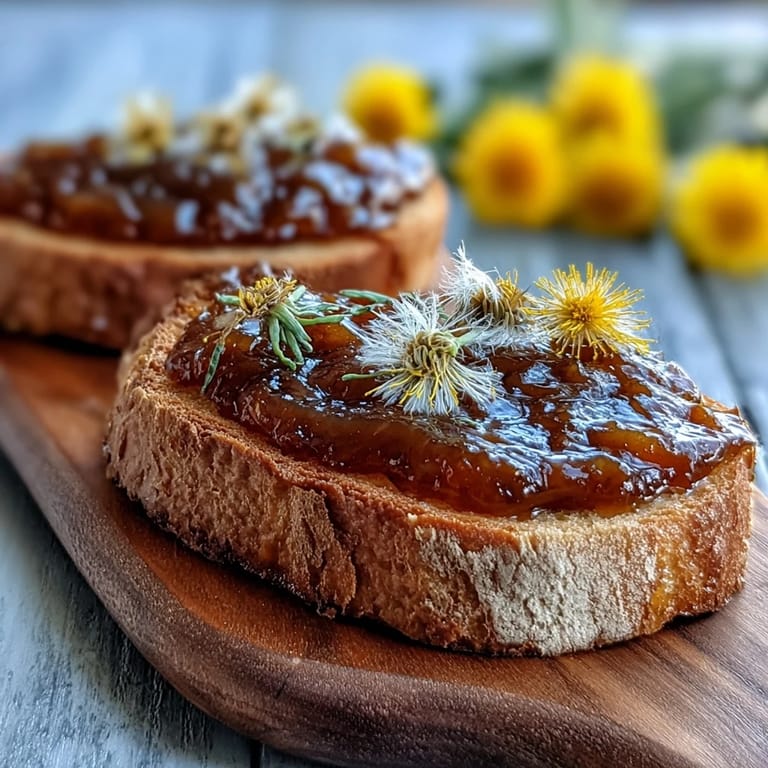
Save There was a morning when sunlight streamed through my kitchen window and picked out the dandelions dotting my backyard with gold. The idea of making dandelion jelly struck me while collecting the flowers, the sweet grassy aroma mixing with dew on my hands. It felt almost rebellious to turn a weed into something delicate and delicious. I remember referencing old notes and wondering if I could pull off a homemade jelly that tasted as lovely as it looked. The anticipation of transforming those petals into a golden jar was quietly thrilling.
I once made this dandelion jelly for a neighbor who was skeptical when I handed her a bright jar, but her smile after the first taste was unforgettable. Sharing it at a brunch, the way it gleamed atop toast became a conversation starter, inspiring others to try their own hand at wild preserves. There was laughter around the table as we debated whether it tasted more floral or more like honey. Making jelly together always feels like teamwork—someone pinches petals, another stirs the pot, and the kitchen fills with chatter. The finished jars lined up on the counter were testament to our shared effort.
Ingredients
- Dandelion Petals: Fresh, untreated petals are essential for a sweet, floral flavor; collecting early in the day preserves their fragrance and color.
- Water: Acts as the steeping medium for the petals, creating the 'tea' that forms your jelly base.
- Lemon Juice: Fresh or bottled both work; it not only brightens the taste but ensures safe acidity for preserves.
- Powdered Fruit Pectin: Makes the jelly set properly; always check the weight to match the recipe for reliable results.
- Granulated Sugar: Balances bitterness and locks in a gentle sweetness—stir well to dissolve without graininess.
Tired of Takeout? 🥡
Get 10 meals you can make faster than delivery arrives. Seriously.
One email. No spam. Unsubscribe anytime.
Instructions
- Get the Petals Ready:
- Spread out freshly picked dandelion flowers and gently rinse to remove any bugs or dirt, then pinch off the yellow petals, leaving behind the bitter green parts. You'll notice a faint honey scent and a pop of color gathering in your bowl.
- Steep for Flavor:
- Bring 4 cups water to a boil, add all petals, take off the heat, cover, and let them steep for at least 4 hours or overnight—the liquid turns a soft gold and carries a springtime aroma.
- Strain the Infusion:
- Pour the steeped mixture through cheesecloth or a fine sieve, pressing out every drop; discard the petals and keep the fragrant tea, aiming for about 3.5 to 4 cups.
- Cook Your Jelly:
- In a large saucepan, combine the dandelion tea, lemon juice, and pectin, stirring constantly as it comes to a rolling boil—watch carefully, it bubbles and thickens quickly.
- Add Sugar and Finish:
- Dump in all the sugar at once, stir well, boil hard for 1–2 minutes, then remove from heat and skim off any foam; the jelly will look bright and glossy.
- Jar with Care:
- Ladle hot jelly into sterilized jars, leave 1/4 inch headspace, wipe rims, seal, then process in a boiling water bath for 5 minutes—listen for the satisfying pop of jar lids sealing as they cool.
 Save
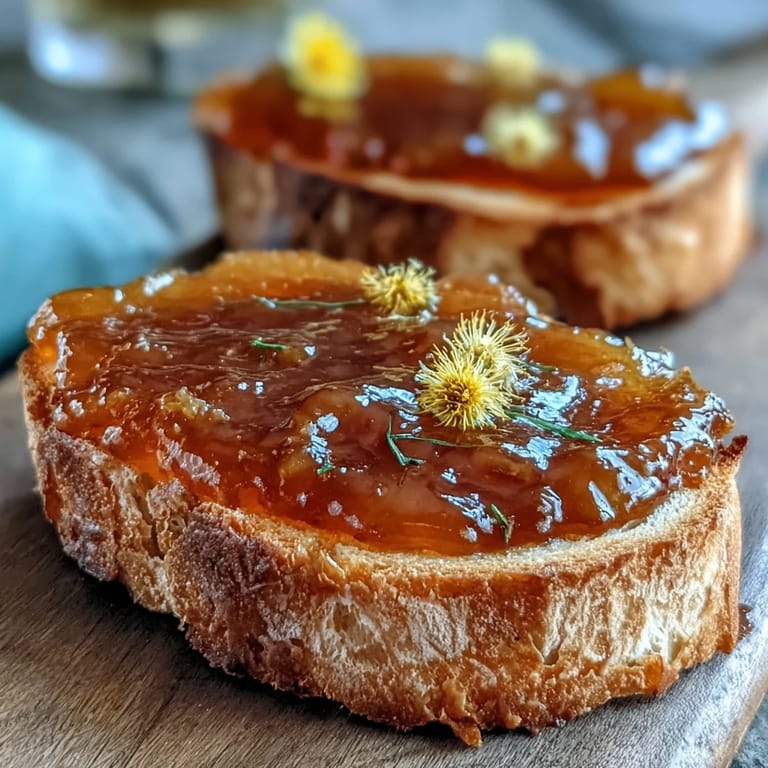
Save Years ago, on a rainy afternoon, I opened a jar of dandelion jelly and spread it on warm scones—suddenly the kitchen felt bright and hopeful. That simple, golden sweetness turned a gloomy day into one worth remembering, proving food really can shift the mood.
Making Jelly Without Fuss
Using a jar funnel and ladle keeps the process neat, especially when you're rushing before the jelly sets. Sterilizing jars may sound tedious, but I've found it's best to do it while the jelly steeps so everything is ready for hot filling. Sometimes, a cheesecloth works better than a sieve for getting every bit of liquid out. The setup doesn't require fancy tools, just a steady hand and a cheerful attitude. Having someone nearby for moral support—especially during the boiling phase—makes the whole thing feel less daunting.
Picking the Best Dandelions
I've always found that choosing dandelions early in the day ensures they're at their sweetest and least wilted. Avoiding flowers from lawns treated with pesticides is non-negotiable—it's worth scouting a park or backyard you trust. Children seem to love helping with the picking, turning it into a small adventure. After rinsing, the petals can be easily pinched off while chatting around the kitchen table. Even if you miss a few bits of green, the lemon juice helps mask any extra earthiness.
Troubleshooting and Quick Fixes
On one occasion, my jelly didn't set and was too runny, but reboiling with extra pectin fixed everything without fuss. If the jelly turns cloudy, it's probably just a bit of foam or not enough straining, and it's still perfectly tasty. Sometimes the jars take longer to seal—patience pays off, and a gentle retightening works. Don't panic if steeping time goes over; the flavor only improves. It’s better to go slow than rush through and miss the bright, floral notes.
- If the jelly is too loose after 24 hours, just reboil with more pectin.
- Keep extra dandelions on hand in case you need a stronger infusion.
- Let the jelly cool fully before moving the jars for best set.
 Save
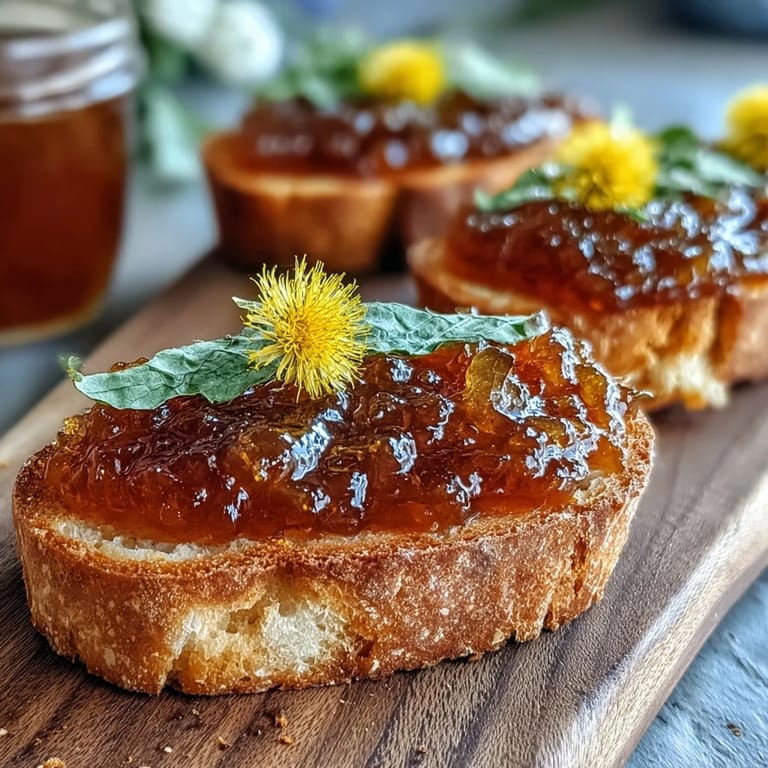
Save Sharing dandelion jelly feels like spreading sunshine—whether for breakfast or gifts, it's simple joy in a jar. Give it a try, and you might find yourself looking at 'weeds' with a whole new appreciation.
Recipe Q&A
- → What does dandelion jelly taste like?
The flavor is floral and honey-like, with subtle citrus from lemon juice, making it light and aromatic.
- → How do you prepare dandelion petals?
Rinse flowers thoroughly, then pinch off only the yellow petals to avoid bitterness from green parts.
- → Can I use different citrus fruits?
Yes! Adding orange zest enhances the taste and complements the lemon for a more vibrant spread.
- → Does dandelion jelly set easily?
Jelly sets as it cools. If it remains loose after 24 hours, reboil with extra pectin for a firmer texture.
- → Is dandelion jelly allergen-friendly?
This jelly contains no common allergens, but check pectin and sugar packaging if sensitivities exist.
- → What equipment is needed for making the jelly?
You'll need a saucepan, sieve or cheesecloth, sterilized jars and lids, and optionally a funnel and ladle.