 Save
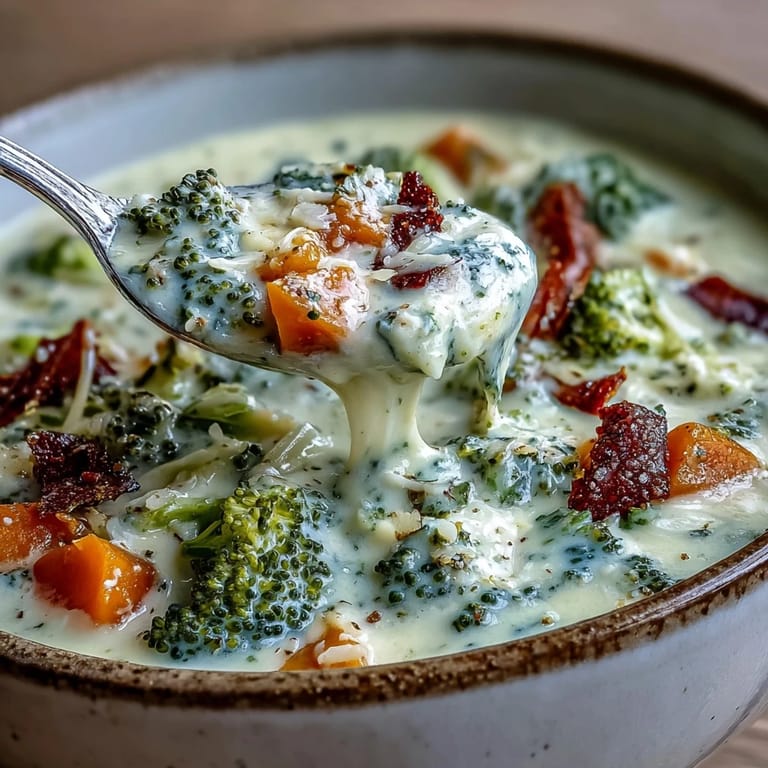
Save The smell of my kitchen on a rainy afternoon when this soup is simmering on the stove is pure magic. I first attempted broccoli cheddar soup after having an awful day at work, thinking comfort food might lift my spirits. Standing over that steaming pot, watching the cheese melt into golden ribbons through the broth, I knew I'd found my go-to recipe for difficult days. Something about the way the sharp cheddar mellows against the earthy broccoli creates this perfect balance that feels like a warm hug in a bowl.
Last winter, my neighbor knocked on my door after her power went out during a snowstorm. I invited her in and happened to have a pot of this broccoli cheddar soup keeping warm on the stove. We sat at my kitchen island, steam rising from our bowls, laughing about how sometimes the best connections happen during the most unexpected moments. The soup became our tradition that winter, a simple reason to check in on each other when the weather turned bitter.
Ingredients
- Broccoli florets: The star of the show deserves some attention, so look for heads with tight, dark green florets and avoid any with yellowing spots which can make the soup bitter.
- Sharp cheddar cheese: I learned to grate it myself rather than using pre-shredded bags because the anti-caking agents in packaged cheese can make your soup grainy instead of silky.
- Heavy cream: This is where the magic happens, creating that restaurant-quality richness that makes everyone ask for your secret.
- All-purpose flour: The humble thickener that transforms this from brothy to creamy without letting the cheese separate when reheated.
- Nutmeg: Just a tiny pinch works like fairy dust, enhancing the cheese flavor without anyone being able to identify what makes it taste so special.
Tired of Takeout? 🥡
Get 10 meals you can make faster than delivery arrives. Seriously.
One email. No spam. Unsubscribe anytime.
Instructions
- Create your flavor base:
- Melt butter in your largest pot and add those finely chopped onions, letting them slowly turn translucent and sweet. You'll know they're ready when they smell like the beginning of something wonderful.
- Build the roux:
- Sprinkle flour over your softened onions and keep stirring constantly. This might look like nothing special, but this two-minute step prevents lumpy soup later.
- Veggie simmer time:
- After whisking in your broth, add those bright broccoli florets and carrots to the pot. Listen for that gentle bubbling sound that tells you the vegetables are softening and releasing their flavors.
- Create the creaminess:
- Lower your heat before adding the milk and cream, as boiling dairy is the quickest way to disaster. The surface should barely shimmer, never reaching a full boil.
- The cheese moment:
- Add your grated cheddar bit by bit, watching it disappear into the soup like a magic trick. This patience prevents clumping and creates that silky texture that makes homemade so much better than canned versions.
- Texture decision time:
- Here's where you get to decide your soup's personality with an immersion blender. I like to leave about a third of the vegetables intact for a more interesting texture and visual appeal.
 Save
Save My daughter was going through a phase where green vegetables were apparently poisonous, according to her five-year-old logic. I served this soup without comment one evening, and watched her devour an entire bowlful before declaring it the best soup ever. Only then did I mention she'd just eaten an enormous amount of broccoli. The look of confused betrayal on her face made me laugh, but she requested it again the next week, proving that sometimes the best way to overcome vegetable aversion is to pair it with enough cheese.
Make-Ahead Tips
Ive found this soup actually improves overnight in the refrigerator as the flavors meld together. Just reheat it gently over medium-low heat, stirring occasionally to prevent scorching on the bottom of the pot. If it seems too thick after refrigeration, a splash of milk or broth will bring it back to the perfect consistency without diluting the flavor. The soup freezes beautifully too, though I portion it into individual containers first so we can thaw just what we need.
Serving Suggestions
While a bowl of this soup is satisfying on its own, I love creating a complete meal around it. My favorite pairing is a grilled cheese sandwich made with sourdough bread and a mix of whatever cheese remnants are in my refrigerator drawer. During summer months, I serve the soup slightly cooler alongside a crisp green salad dressed with a simple vinaigrette that cuts through the richness. For dinner parties, I pour the soup into small espresso cups as an elegant starter that always impresses guests with minimal extra effort.
Troubleshooting Common Issues
Over the years, Ive encountered and solved nearly every possible problem with this recipe through simple adjustments. If your soup looks grainy, the likely culprit is adding cold dairy to hot broth too quickly or letting the soup boil after adding cheese. Should you find the broccoli is still too firm when everything else is ready, just remove some of the liquid, blend the broccoli separately, then reincorporate it.
- If your soup breaks or looks curdled, lower the heat immediately and whisk in a tablespoon of cold heavy cream to help it re-emulsify.
- For soup thats too thin, mix a tablespoon of cornstarch with equal parts cold water and stir it in while the soup simmers for about 2 minutes.
- When reheating leftover soup, always start with a lower temperature and stir frequently to prevent the bottom from scorching.
 Save
Save There's something profoundly satisfying about ladling this golden soup into bowls on a cold evening, watching the steam rise, and seeing faces light up around the table. Whether youre making it for yourself or sharing with others, this broccoli cheddar soup connects us to the simple joy of good food made with care.
Recipe Q&A
- → Can I freeze this soup?
Freezing is possible but may cause slight separation due to the dairy content. For best results, cool completely before freezing in airtight containers. Reheat gently over low heat while stirring constantly to restore smoothness. Alternatively, freeze without the cream and cheese, then add fresh when reheating.
- → How do I prevent the cheese from separating?
Keep heat at low when adding dairy and cheese. High temperatures can cause cheese to separate and become grainy. Add grated cheese gradually, one handful at a time, stirring until melted before adding more. Avoid boiling once dairy ingredients are incorporated.
- → Can I make this gluten-free?
Substitute all-purpose flour with a 1:1 gluten-free flour blend or cornstarch. If using cornstarch, mix with cold broth first to create a slurry before adding to the pot. Ensure your vegetable broth and cheese are certified gluten-free as well.
- → What cheese works best?
Sharp cheddar provides the most robust flavor, but extra sharp adds even more intensity. Pre-shredded cheese contains anti-caking agents that may affect texture, so grate blocks yourself for optimal melting. A mix of cheddar and gruyère creates delicious depth.
- → How can I make this lighter?
Replace heavy cream with additional whole milk or use half-and-half. You can also reduce the total cheese amount slightly while boosting flavor with extra herbs, mustard powder, or a splash of hot sauce. Adding pureed white beans or potatoes can provide creaminess without extra dairy.
- → What texture should I aim for?
The beauty lies in versatility—completely smooth or pleasantly chunky. An immersion blender creates uniform creaminess, while leaving some vegetable pieces intact adds satisfying texture. For the best of both worlds, blend about three-quarters of the soup and stir back into the pot.