 Save
Save The first time I made sparkling fermented lemonade, the kitchen was alive with the sound of lemons thunking on the countertop and the promise of something new bubbling quietly in the background. It wasn't a hot summer day or a special occasion—just the simple intrigue of trying fermentation at home. I found myself captivated by the transformation that a bit of honey and patience could bring. There was an energy in the air as I watched the mixture begin to fizz ever so slightly, a little science experiment tucked away near the window.
One quiet Saturday, I prepped bottles of this lemonade before friends dropped by, their laughter soon mixing with the soft pop of a just-opened swing-top. Introducing this drink over ice was a small but fizzy triumph, and everyone asked for refills before the day was done.
Ingredients
- 8 large lemons, juiced (about 1½ cups/360 ml juice): Use the freshest lemons for the brightest and cleanest flavor—a little warmth helps extract the most juice.
- 1½ liters (6 cups) filtered water: Filtering your water ensures there’s nothing to interfere with fermentation and gives a crisp taste.
- 120 g (⅓ cup + 1 tbsp) raw honey (unpasteurized): Only use raw, unpasteurized honey—processed versions just don’t ferment properly and miss out on floral notes.
- 1 small knob fresh ginger, peeled and sliced (optional): Ginger adds pep, and just a few slices go a long way—taste as you go if adding.
- 1 sprig fresh mint (optional): Mint makes each sip refreshing, but crush it gently first to release the oils.
Tired of Takeout? 🥡
Get 10 meals you can make faster than delivery arrives. Seriously.
One email. No spam. Unsubscribe anytime.
Instructions
- Prep Your Lemons:
- Roll the lemons on the countertop, cut them open, and juice them until your hands smell delightfully citrusy.
- Mix the Lemon Base:
- In a large pitcher, stir the fresh lemon juice with filtered water—listen for that little splash as you go.
- Sweeten the Deal:
- Add the raw honey and whisk or stir until every bit dissolves, feeling the mixture grow cloudy and golden.
- Choose Your Extras:
- If using, drop in ginger slices or the mint sprig and give it a gentle swirl; inhale deeply—this is where the aroma gets interesting.
- Transfer and Set Up for Fermentation:
- Pour it all into a large glass jar, leaving a little space at the top for those fizzy gases to gather.
- Ready, Set, Ferment:
- Cover the jar loosely with a lid or attach your fermentation airlock. Place it somewhere room temperature and avoid any direct sunlight.
- Check Daily for Bubbles:
- Each day, open the lid (carefully), listen for a hiss, and take a tiny taste. When the lemonade dances on your tongue—tangy, just effervescent enough—move to the next step.
- Bottle and Chill:
- Pour into swing-top bottles, seal, and refrigerate for at least 4 hours so the fizz sets.
- Serve and Savor:
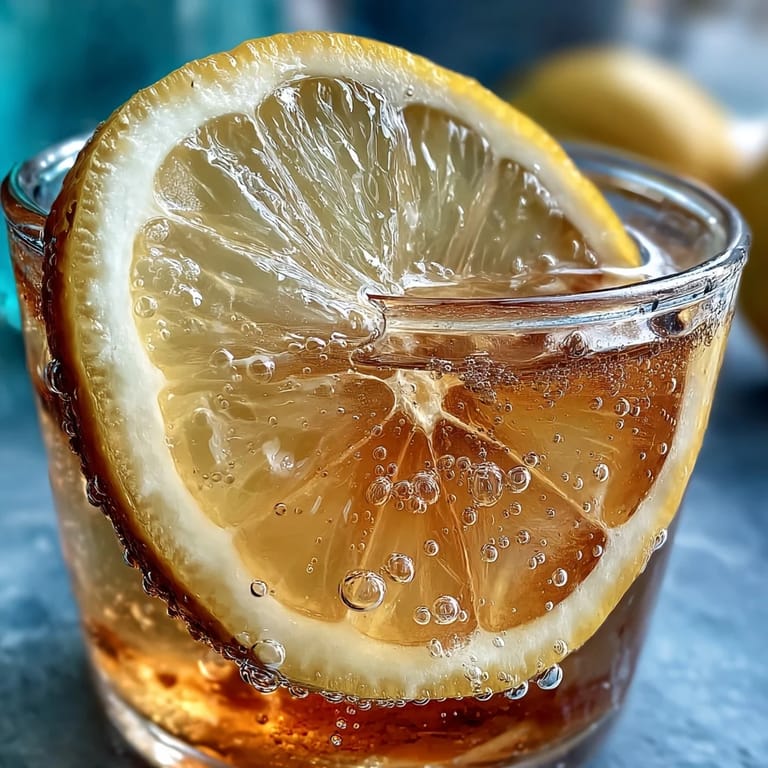
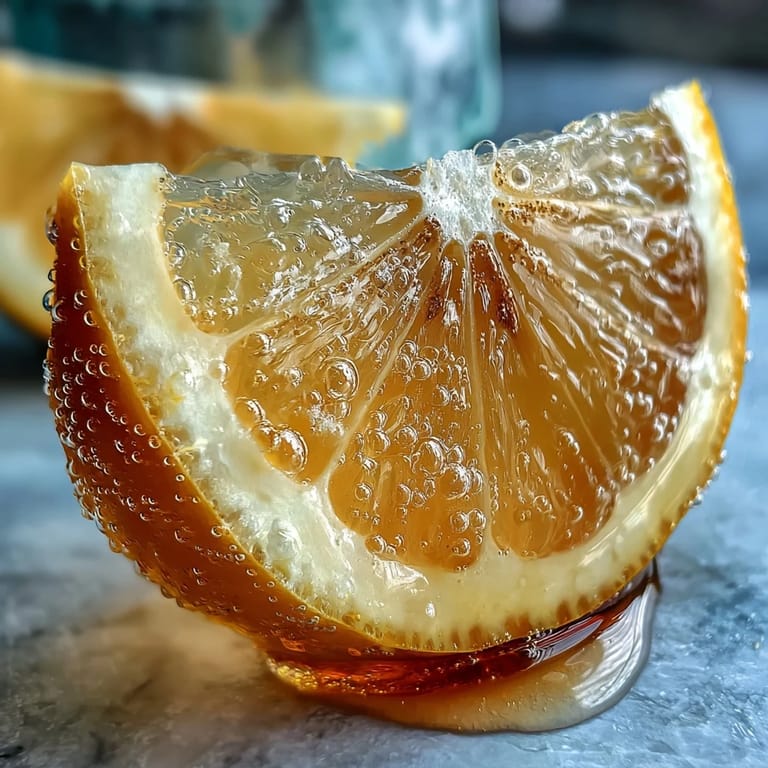
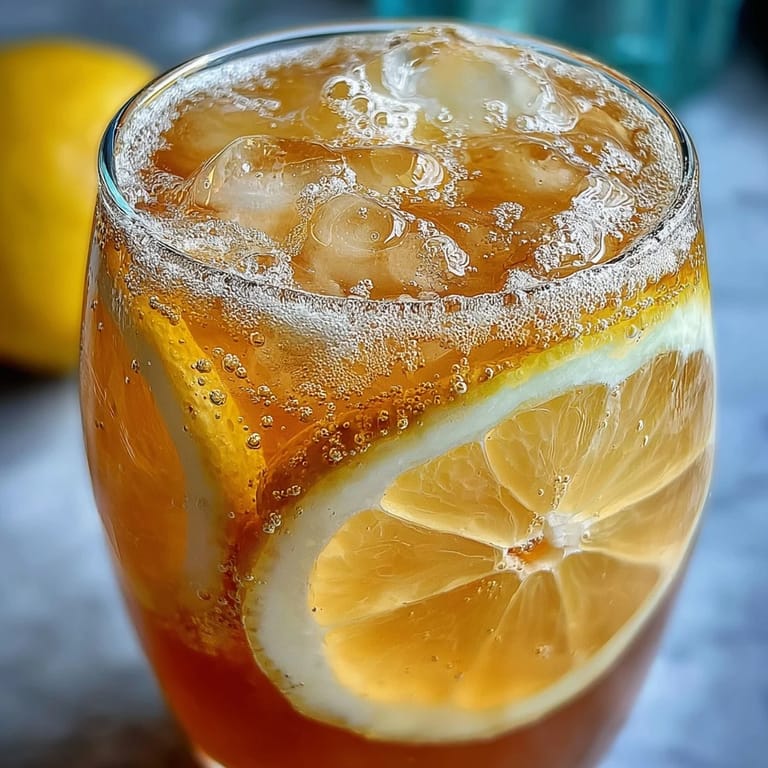
- Pour over ice and enjoy as the bubbles tickle your nose—raise a glass to your kitchen science.
 Save
Save 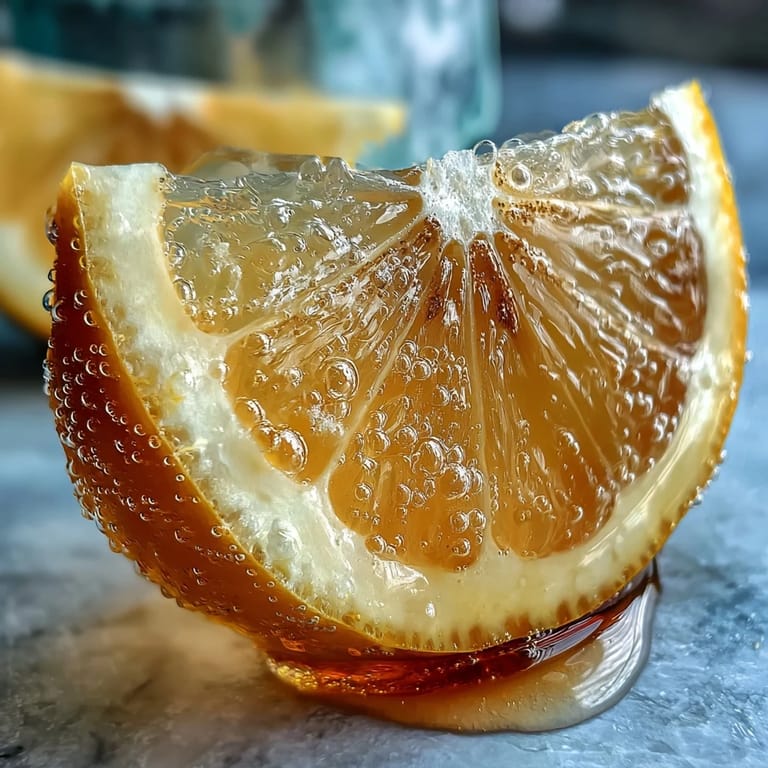 Save
Save Pouring glasses for my family and watching everyone's faces light up at the first sip made me realize this wasn’t just a drink—it was a little celebration of patience and curiosity poured over ice.
Tweaking the Fizz to Your Taste
If you want a stronger fizz, try letting the lemonade ferment a day longer, but be sure to monitor the gas buildup—burping the jar gently each day can prevent spills.
Fresh Flavors, Endless Variations
Adding berries or even a wisp of basil can turn your fermented lemonade into something unique each time. Play around with small batches to discover your own signature blend.
Common Fermentation Questions
During my first few tries, I fretted over cloudiness or a thin layer of bubbles—it turns out that’s totally normal for this kind of ferment. The main things to watch are a pleasant, fruity aroma and steady, gentle fizz.
- Open bottles over the sink in case of extra pressure.
- Label your jars with the start date to keep track.
- Never use metal lids or containers for fermenting lemonade.
 Save
Save  Save
Save This recipe rewards your patience with vibrant, living lemonade—the kind you’ll want to share (or just savor quietly). When those fizzy bubbles rise to greet you, you’ll know it was worth the wait.
Recipe Q&A
- → How long should I ferment the lemonade?
Ferment at room temperature for about 2–3 days, tasting daily. Extend to 4 days for a stronger fizz but check bottles often and release pressure as needed.
- → Why use raw honey instead of processed sweeteners?
Raw honey contains natural enzymes and wild yeasts that help fermentation and add subtle floral complexity; processed sweeteners often lack those active elements.
- → How can I increase the carbonation?
Encourage fizz by bottling once you detect slight effervescence and keeping bottles sealed at room temperature an extra day or two. Warm starts and tighter seals boost carbonation, but burp bottles to avoid overpressure.
- → What flavor additions work well?
Fresh ginger or mint are classic additions. Berries, basil, or a pinch of sea salt can add depth and balance when added during fermentation or at bottling.
- → How should I store and serve the finished drink?
After desired effervescence, refrigerate sealed bottles. Chill at least 4 hours before serving, pour over ice, and open bottles slowly to release built-up gas safely.
- → Will fermentation produce alcohol?
Short ferments typically produce only trace alcohol. Extended fermentation can raise alcohol slightly, so keep timing in mind if avoiding alcohol.