 Save
Save Last autumn, I found myself craving something warming yet different as the early evening chill settled in. My neighbor Sunhee happened to be prepping a stack of cabbage leaves on her kitchen table when I stopped by for a chat, and the enticing aroma of ginger and sesame filled her apartment. She showed me how to gently tuck spicy beef into pliant Napa cabbage, teaching me that even everyday veggies can transform into something deeply comforting. It was a weekday experiment that instantly turned into a treasured dinner at my place, steam clouding the windows as friends arrived in from the cold.
One snowy night, I made these cabbage rolls for friends who had never tried Korean flavors before. We ended up eating around the coffee table, dipping rolls and trading stories as the steam fogged up our glasses—no one missed takeout for a second.
Ingredients
- Napa cabbage: Its delicate leaves steam up silky and hold the filling snugly—pick one without any tears, and blanch just until soft but still green.
- Ground beef: I like using beef for richness and flavor, but I've swapped in turkey or pork when that's what I have—just be sure the meat isn't too lean.
- Green onions: These give a gentle, fresh kick—slice them thinly for even distribution.
- Garlic: Mince it very fine so it blends right into the filling and delivers a punch in every roll.
- Carrot: Grated carrot melts into the mixture, adding subtle sweetness and tenderness.
- Fresh ginger: Use a microplane to get a fine grate—it's the secret to a fragrant, zesty filling.
- Gochujang: This chili paste anchors the dish with heat and savoriness—taste yours, as brands can vary in spiciness.
- Soy sauce: Go for a naturally brewed bottle for depth, and watch the salt—the filling has plenty of flavor already.
- Sesame oil: Just a drizzle brings toasty warmth—don’t skip it!
- Sugar: It counters the spice and rounds out the taste—don't worry, it won't taste sweet.
- Black pepper: Gives the mix subtle heat and complexity, so don’t leave it out.
- Toasted sesame seeds: I scatter extra over the finished rolls because they add crunch and a hint of nuttiness.
- Soy sauce (dipping): Balances the spicy filling—any low-sodium is fine here since the dip gets an extra flavor lift.
- Rice vinegar: Lends brightness to the sauce; taste as you go to keep it lively, not sharp.
- Gochugaru: Adds smoky red color and a flutter of heat to the sauce—start small if you’re cautious with spice.
- Sesame oil (dipping): Infuses a finishing layer of warmth into your dipping sauce, making it hard to resist double-dipping.
- Honey: A touch gives the tangy sauce a mellow background note—swapping for a pinch of sugar works in a pinch.
- Garlic (dipping): Keeps the dipping sauce lively—finely grate or mash it in for best results.
- Toasted sesame seeds (dipping): They float on top and give each dunk extra texture—toast your own in a pan for even better flavor.
Tired of Takeout? 🥡
Get 10 meals you can make faster than delivery arrives. Seriously.
One email. No spam. Unsubscribe anytime.
Instructions
- Prep the cabbage:
- Bring a big pot of water to a rolling boil, then gently slide in separated cabbage leaves and let them cook for just a couple minutes. They should turn bright green and flexible—cool them under cold water and pat dry so they’re ready for filling.
- Mix the filling:
- Grab your largest bowl and toss in the ground beef, all your finely chopped veggies, and every seasoning. Dig in with clean hands—it’s messy, but mixing well means juicier, tastier rolls.
- Stuff and roll:
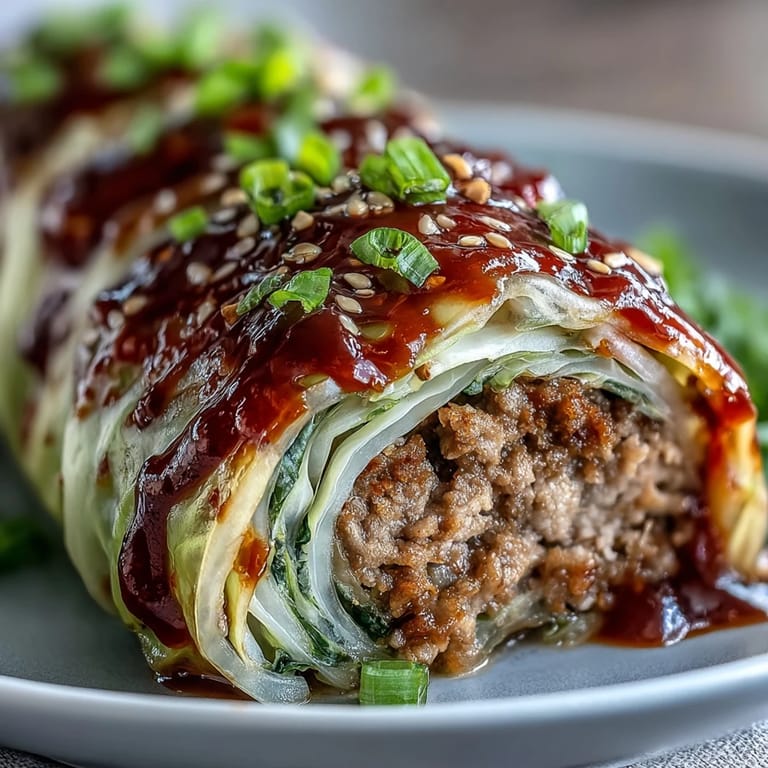
- Lay a cabbage leaf flat on the board, spoon a generous mound of filling on the wide end, then tuck in the sides and roll up snugly. Repeat, and don’t worry if the first one is crooked—they get easier as you go.
- Steam to perfection:
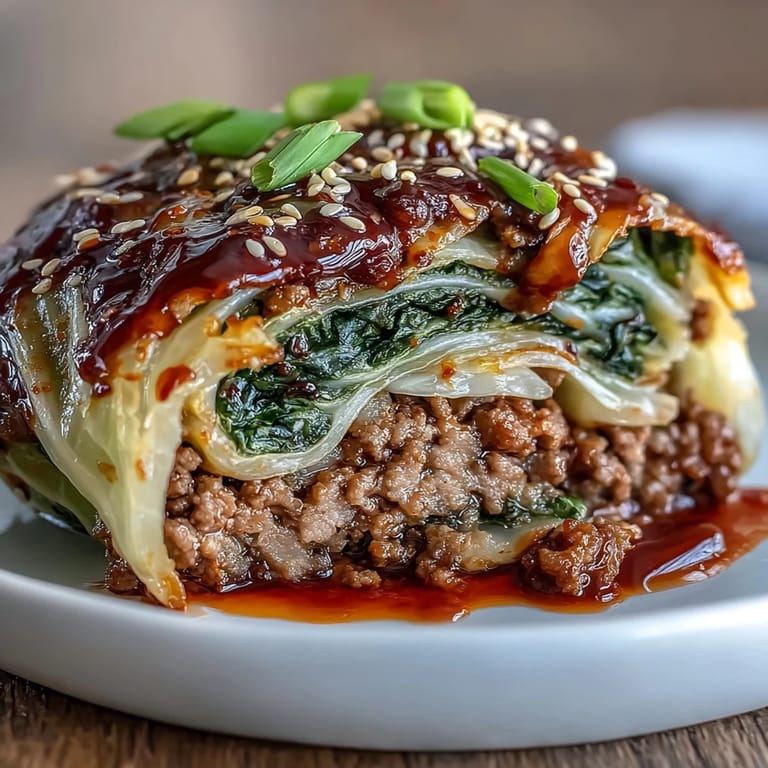
- Nestle the rolls seam-side down in a steamer basket and place over simmering water; cover and steam until the filling is cooked through and everything smells heavenly, about 15 to 20 minutes.
- Mix the dipping sauce:
- While the rolls cook, whisk together all sauce ingredients in a small bowl until glossy. Taste and adjust for spice, tang, or sweetness—you’re in charge.
- Serve and savor:
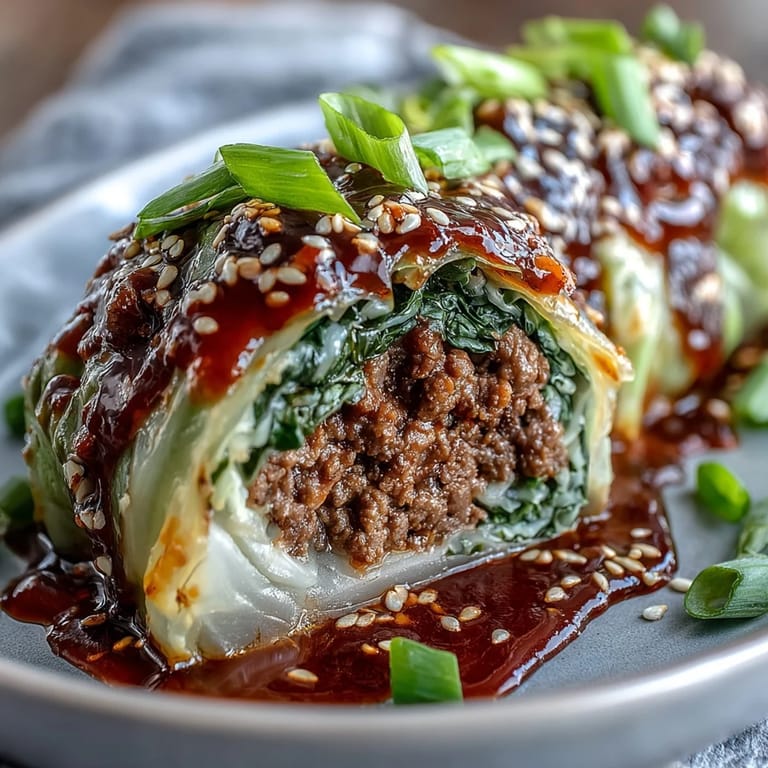
- Arrange the hot cabbage rolls on a plate, sprinkle with extra sesame seeds, and serve with sauce for dipping. Enjoy right away—they’re best steaming hot.
 Save
Save When my little brother first tried these, he made a game out of guessing which roll had the most filling—by the end, we were all laughing, swiping up the last of the dipping sauce straight from the bowl.
What To Do With Leftover Cabbage
After prepping the rolls, you’ll still have extra cabbage to work with. I like to shred those leftover leaves for a quick side salad tossed in rice vinegar and a sprinkle of sesame seeds—it’s crisp and refreshing next to the warm rolls.
Make Ahead and Freezer Tips
One weekend, I doubled the filling, built all the rolls, and froze half for a future busy night. It turns out, they steam up beautifully straight from the freezer—you just need to add 5 extra minutes to the cooking time.
Getting the Dipping Sauce Just Right
The sauce is where you can really play—it’s all about adjusting spice, tang, or sweetness on the fly. I’ll set out extra gochugaru or a little bowl of honey so people can tweak their own dipping bowls at the table.
- If the sauce tastes flat, add an extra splash of vinegar for brightness.
- Double the recipe; it's always the first thing gone.
- Remember to serve everything immediately so the cabbage stays tender.
 Save
Save Once you taste your first homemade Korean cabbage roll, you’ll want to make them part of your regular dinner routine. Save a couple for lunch the next day, if you can resist eating them all in one go!
Recipe Q&A
- → How do I soften the cabbage leaves without tearing them?
Separate whole leaves, blanch in boiling water for 1-2 minutes until pliable, then cool under cold water and pat dry. Trim thick ribs if needed to make rolling easier.
- → Can I use a different protein than ground beef?
Yes. Ground pork, turkey, or a mix of pork and beef work well. For a lighter option use lean turkey and adjust seasoning and steaming time slightly to avoid drying out.
- → How can I control the spice level?
Reduce the gochujang and gochugaru in the filling and dipping sauce, or replace gochujang with a milder paste. Start with half the amount, then taste and adjust.
- → What is the best way to steam the rolls evenly?
Arrange rolls seam-side down in a single layer in a steamer basket with a little space between them. Steam over simmering water, maintaining a gentle steam, for 15-20 minutes until the filling reaches doneness.
- → Can these be prepared ahead of time?
Yes. Assemble rolls and store them covered in the refrigerator for up to 24 hours before steaming. Reheat gently in a steamer to preserve moisture and texture.
- → Any tips for the dipping sauce?
Balance salty, acidic, sweet and spicy: combine soy sauce, rice vinegar, a touch of honey, sesame oil and gochugaru. Add minced garlic and toasted sesame seeds for depth.