 Save
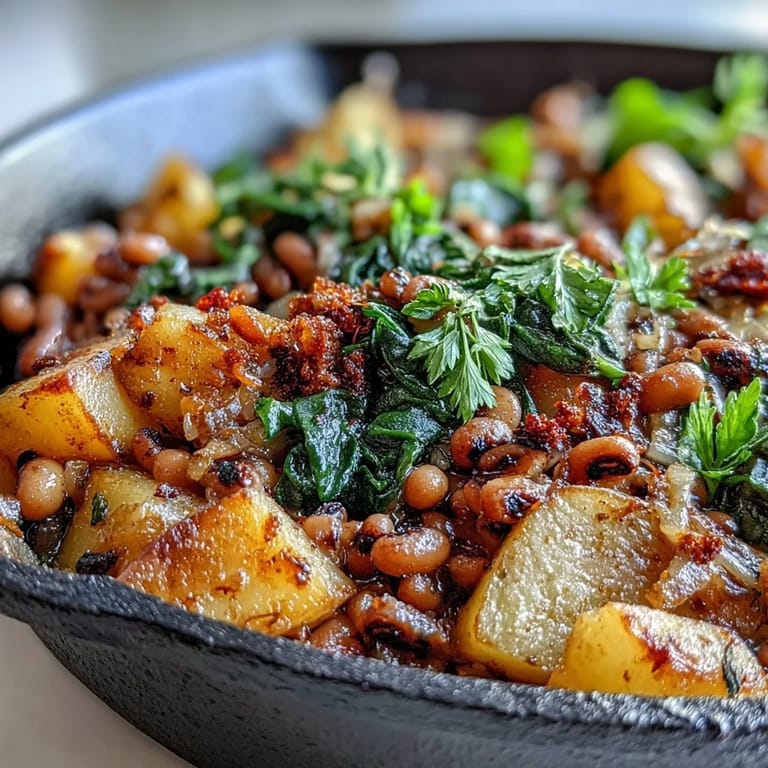
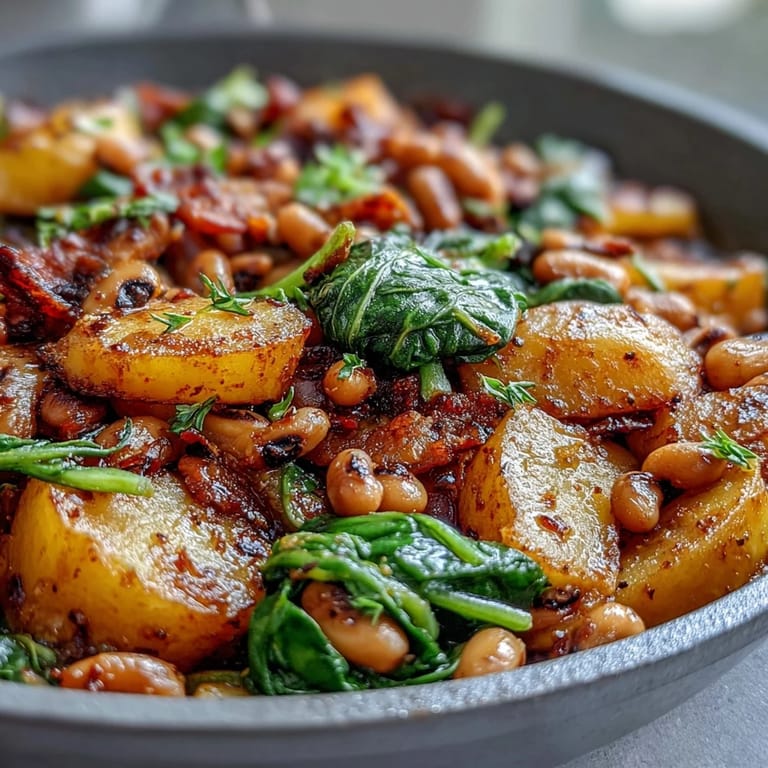
Save There's something about cast iron that makes even the simplest ingredients feel special. One weeknight, I'd bought a bunch of spinach that was about to wilt, some potatoes languishing in the pantry, and a can of black-eyed peas I'd been meaning to use. Instead of ordering takeout like I usually do when the fridge feels sparse, I grabbed my old skillet and started layering flavors—onions first, their sweetness filling the kitchen as they softened. What emerged was this deeply satisfying one-pan dinner that felt both comforting and refreshingly light, and now I make it whenever I want something that tastes like home without the fuss.
I made this for my sister last month when she was going through a phase of trying to eat more whole foods, and she actually asked for the recipe—which never happens. Her kids even ate seconds without complaining about the spinach, and afterward we sat on the porch with lemon wedges in our water glasses, talking about how good food doesn't need to be complicated. That meal became the reason she bought her own cast iron skillet.
Ingredients
- Olive oil: Use a medium-quality oil here since you're not cooking at extreme heat, and it allows the vegetables to develop those golden, caramelized edges without burning.
- Yellow onion: The sweetness balances the earthiness of the peas, and slicing it thin means it softens quickly and distributes evenly throughout the skillet.
- Yukon Gold potatoes: These waxy potatoes hold their shape when diced and cooked, unlike russets which can turn mushy and cloud your broth.
- Fresh spinach: Buy it loose if you can—bagged spinach sometimes tastes metallic, and you want that bright, clean green flavor here.
- Black-eyed peas: Canned works perfectly fine, just rinse them thoroughly to remove the thick liquid that can make your skillet taste tinny.
- Garlic: Mince it fresh right before adding, because the aroma that hits your nose the moment it hits the hot oil is part of the experience.
- Smoked paprika: This is the soul of the dish—don't skip it or substitute regular paprika, as the smokiness is what makes people ask what makes it taste so good.
- Dried thyme: A whisper of this herb adds an earthy undertone without overpowering the other flavors.
- Red pepper flakes: Optional, but I always add them because even a tiny pinch creates a subtle warmth that makes each bite more interesting.
- Vegetable broth: Low-sodium lets you control the salt level and taste the actual vegetables rather than just salt.
- Fresh parsley: Adds a brightness and freshness at the end, like an afterthought that actually changes everything.
Tired of Takeout? 🥡
Get 10 meals you can make faster than delivery arrives. Seriously.
One email. No spam. Unsubscribe anytime.
Instructions
- Heat your skillet properly:
- Pour the olive oil into your cast iron over medium heat and let it shimmer for a minute—this is when you know the pan is ready and your vegetables will sear instead of steam.
- Start with the onion:
- Toss in your sliced onion and let it cook undisturbed for a moment before stirring, so it gets those caramelized bits. This takes about 3 to 4 minutes, and you'll know it's done when it's soft and turning translucent at the edges.
- Add the potatoes:
- Stir in your diced potatoes and let them cook for 10 to 12 minutes, stirring every couple of minutes so they develop golden color on multiple sides. They should be tender enough to pierce with a fork but still hold their shape.
- Bloom the spices:
- Add the minced garlic, smoked paprika, thyme, and red pepper flakes all at once and stir constantly for about a minute—this releases the essential oils and fills your kitchen with an incredible aroma. You'll notice the spices darken slightly, which is exactly what you want.
- Bring it together:
- Pour in the vegetable broth, add the black-eyed peas, and stir until everything is combined evenly. Cover the skillet and let it simmer for 8 to 10 minutes until the potatoes are completely tender and most of the liquid has been absorbed, though there should still be a little bit of moisture at the bottom.
- Wilt the spinach:
- Uncover the skillet, add your fresh spinach, and stir constantly for 2 to 3 minutes—it'll seem like a lot of spinach at first, but it shrinks dramatically as it wilts. The residual heat does most of the work, so don't walk away.
- Season and serve:
- Taste a bite, then add salt and black pepper to your preference. Remember that cast iron intensifies flavors as it holds heat, so season conservatively at first.
 Save
Save This dish taught me that the best weeknight meals don't require a long list of unusual ingredients or complicated techniques. Somehow, these simple pantry staples come together to create something that feels nourishing in a way that goes beyond just filling your stomach.
Why Cast Iron Matters Here
Cast iron conducts heat more evenly than regular pans, which means your potatoes brown beautifully instead of steaming, and the vegetables develop real flavor rather than just cooking through. Plus, there's something psychological about eating from cast iron—it makes simple food feel more substantial and intentional. If you don't have a cast iron skillet, a heavy-bottomed stainless steel pan works, though you might need to stir more frequently to prevent sticking.
Making It Your Own
The base of this recipe is flexible enough that you can treat it like a template rather than a strict formula. Swap the spinach for kale or chard if that's what you have, or add diced bell peppers alongside the onion for extra sweetness and color. Some nights I add a handful of diced tomatoes at the end, which brightens everything up, and other times I'll throw in some sautéed tempeh cubes for extra protein if I'm feeding someone who wants a heartier meal.
Serving Suggestions and Storage
This skillet dinner is equally good served on its own or alongside something starchy to make it more substantial—cornbread is the obvious choice if you want to lean into the Southern inspiration, but rice or even crusty bread works beautifully for soaking up the savory broth. Leftovers keep well in the refrigerator for up to three days, and reheating in a skillet over medium-low heat restores the texture without drying anything out.
- A squeeze of fresh lemon juice right before eating adds brightness that elevates the whole dish.
- If you like heat, keep red pepper flakes on the table so people can adjust spiciness to their preference.
- Pair this with a light salad if you want something refreshing alongside the warm, earthy skillet.
 Save
Save What started as a way to use up vegetables has become a dish I return to whenever I want to cook something that feels both nourishing and effortless. It's the kind of meal that reminds you why home cooking matters.
Recipe Q&A
- → Can I use dried black-eyed peas instead of canned?
Yes, soak dried peas overnight and cook until tender before adding to the skillet. This will extend your total time but allows more control over texture and seasoning.
- → What other greens work well in this skillet?
Kale, Swiss chard, or collard greens make excellent substitutes for spinach. Just adjust cooking time—heartier greens like kale may need 2-3 additional minutes to wilt completely.
- → How do I store leftovers?
Store cooled portions in an airtight container in the refrigerator for up to 4 days. Reheat gently in a skillet with a splash of water or broth to refresh the textures.
- → Can I make this dish spicier?
Add diced jalapeño with the onions, increase red pepper flakes to ½ teaspoon, or incorporate hot sauce when serving. The smoked paprika already provides a mild heat background.
- → What should I serve with this skillet?
Cornbread, warm crusty bread, or fluffy white rice complement this dish beautifully. For a lighter meal, serve with a simple green salad dressed with vinaigrette.
- → Is this suitable for meal prep?
Absolutely. The flavors actually improve after a day or two as the spices meld. Portion into individual containers for easy grab-and-go lunches throughout the week.