 Save
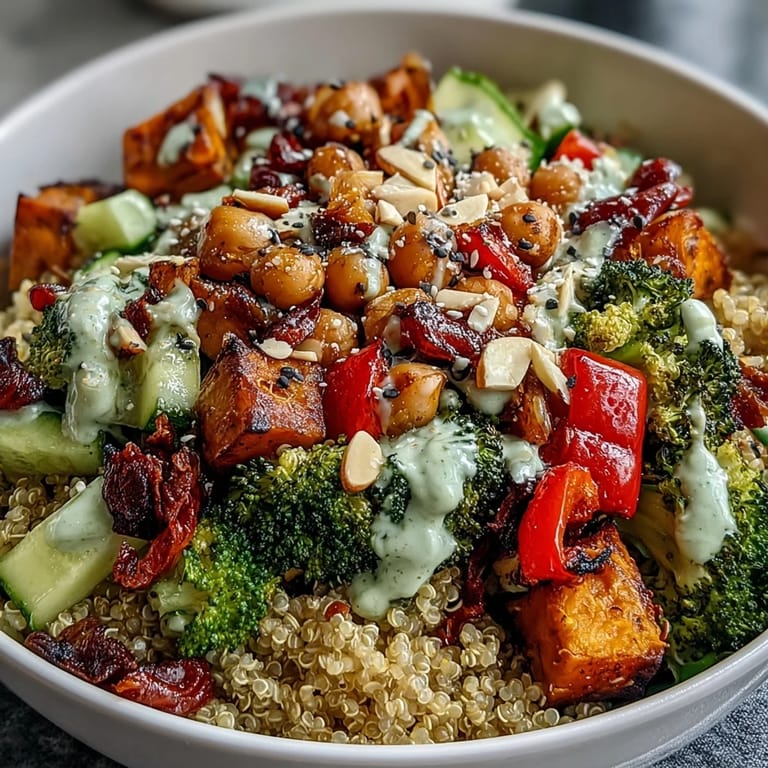
Save Sunday afternoon, I stood in my kitchen staring at a week of uncertain lunches ahead, when my roommate breezed past with a mason jar of the most colorful, organized meal I'd ever seen. She'd spent maybe forty minutes assembling these power bowls and somehow made eating well look effortless. That's when it clicked—this wasn't about restriction or deprivation, it was about setting yourself up for five days of actually enjoying what you eat. I've been making them ever since, tweaking and learning as I go.
I made these for my coworker Maya who kept saying she wanted to eat healthier but never had time. Watching her face when she opened that container on Monday—the way she immediately started snapping photos—made me realize this bowl is proof that nourishing yourself doesn't have to feel like punishment. She's been asking for the recipe ever since, and now her desk drawer has matching meal prep containers just like mine.
Ingredients
- Cooked quinoa, 2 1/2 cups (about 1 cup dry): This ancient grain is a complete protein on its own, meaning it has all nine amino acids your body needs, and it stays fluffy rather than mushy when stored in the fridge.
- Sweet potato, 2 cups peeled and diced: These roast into little caramelized nuggets of sweetness and keep their texture all week, plus they're packed with beta-carotene.
- Broccoli florets, 2 cups: The texture changes slightly by day five but remains tender enough to enjoy, and roasting brings out a nutty flavor that raw broccoli doesn't have.
- Red bell pepper, 1 chopped: This adds brightness and a slight sweetness that balances the earthiness of the beans and greens.
- Olive oil, 2 tbsp: Use a decent quality oil here since it's one of the few seasonings doing heavy lifting for the roasted vegetables.
- Sea salt and black pepper for roasting: Don't skip seasoning the vegetables before they hit the oven—it makes all the difference in flavor development.
- Cherry tomatoes, 1 cup halved: Keep these fresh and add them just before eating or pack separately so they don't get watery and release all their juice into everything else.
- Cucumber, 1 cup diced: The crunch here is essential to the texture contrast, so cut them the night before but don't dress them until you're ready to eat.
- Baby spinach or kale, 1 cup chopped: Kale holds up slightly better throughout the week and has more structure than spinach, but use whichever you prefer or have on hand.
- Red onion, 1/4 cup thinly sliced: This adds a sharp bite that cuts through the richness of the dressing and beans, and it actually improves with a day of sitting.
- Cooked black beans, 1 1/2 cups (or 1 can rinsed and drained): If using canned, the rinsing step is non-negotiable—it removes excess sodium and the starchy liquid that would otherwise make your bowl gummy.
- Cooked chickpeas, 1 1/2 cups (or 1 can rinsed and drained): These two beans together create different textures and flavors; chickpeas are slightly nuttier while black beans are earthier.
- Roasted almonds, 1/4 cup chopped: Toast them yourself if you have time—store-bought roasted is fine but homemade tastes fresher and keeps crunchier longer.
- Pumpkin seeds and sunflower seeds, 2 tbsp each: These are your texture insurance policy; they stay crispy all week and add protein and healthy fats that keep you satisfied through afternoon meetings.
- Tahini, 1/4 cup: This is the secret to creamy without any dairy, and it's where the dressing gets its richness and slightly nutty flavor.
- Lemon juice, 2 tbsp: Fresh lemon is essential—bottled won't give you that brightness that makes everything taste alive.
- Water, 2 tbsp: You'll likely add more depending on how thick your tahini is and how you like your dressing consistency.
- Maple syrup or honey, 1 tbsp: Just enough to balance the lemon's acidity and add a subtle sweetness that ties the flavors together.
- Garlic, 1 minced clove: One small clove is enough to make itself known without overpowering, but honestly if you love garlic go ahead and use more.
- Cumin, 1/4 tsp: This warm spice echoes the earthiness of the beans and creates a subtle bridge between all the different flavors in the bowl.
Tired of Takeout? 🥡
Get 10 meals you can make faster than delivery arrives. Seriously.
One email. No spam. Unsubscribe anytime.
Instructions
- Get your oven ready and line your workspace:
- Preheat to 425°F and line your baking sheet with parchment paper—this prevents sticking and makes cleanup actually tolerable. Think of this as setting the stage for everything that comes next.
- Season and spread your roasting vegetables:
- Toss the sweet potato, broccoli, and bell pepper with olive oil, sea salt, and pepper in a bowl, then spread them in a single layer on the sheet. You want them to have room to actually roast and caramelize, not steam on top of each other.
- Get those vegetables golden and tender:
- Roast for 25 to 30 minutes, stirring halfway through so they cook evenly. You're looking for edges that are slightly darker and a fork that slides through the sweet potato easily—that's when you know they're ready.
- Handle your quinoa while vegetables roast:
- If you haven't already cooked it, follow the package instructions and let it cool completely. Pre-cooked quinoa from the store works perfectly here if you're short on time.
- Whisk together the dressing:
- In a small bowl, combine tahini, lemon juice, water, maple syrup, minced garlic, and cumin, whisking until smooth and creamy. The mixture will look thick at first—keep whisking and taste as you go, adding more water a tablespoon at a time until you reach your preferred consistency.
- Layer your bowls with intention:
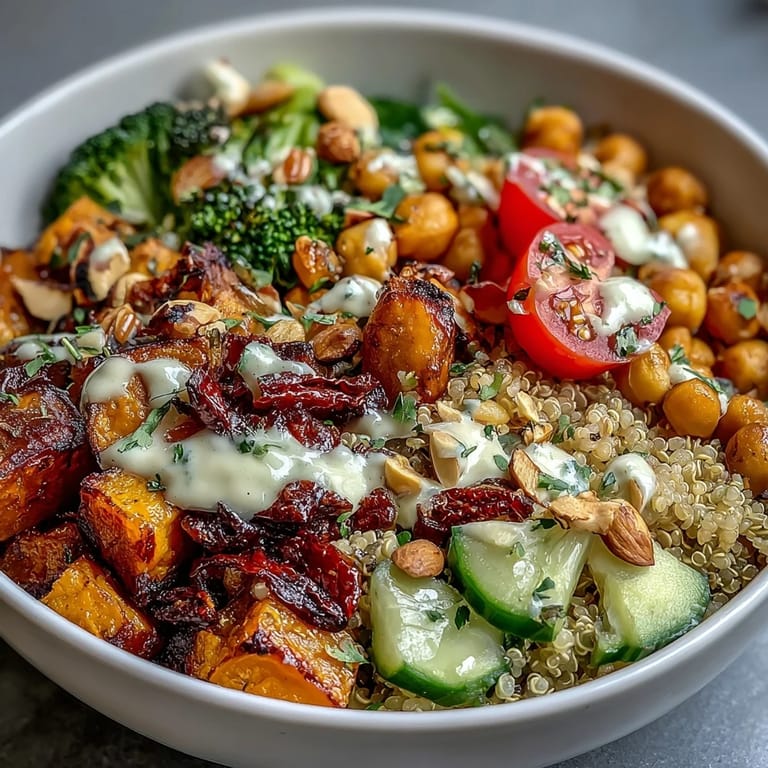
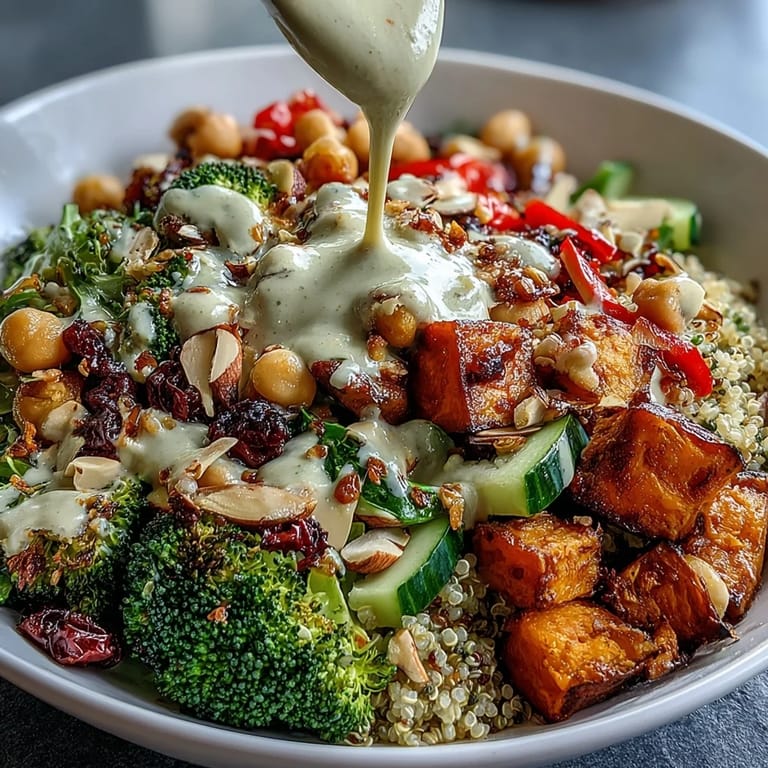
- Start with 1/2 cup quinoa as your base, then add roasted vegetables, a mix of fresh tomatoes, cucumber, greens, and red onion. Top with the beans and a sprinkle of almonds and seeds—this order keeps softer ingredients from getting crushed and keeps crispy things from getting soggy.
- Dress and store strategically:
- Drizzle the dressing over just before eating if you're consuming immediately, or pack it separately in a small container if you're prepping for the week. The dressing will keep everything moist and delicious if stored separately; adding it right away might lead to a sad, soggy bowl by Wednesday.
 Save
Save There's something almost meditative about chopping vegetables in bulk, watching your containers fill up with color and purpose. My friend texted me at 7 PM on Wednesday saying this bowl got her through what would've been a pizza-ordering kind of day, and honestly, that's when I knew this recipe was more than just efficient—it was genuinely life-changing in its quiet way.
Why This Works as a Complete Meal
Each component serves a specific purpose beyond just tasting good. The quinoa provides sustained energy through complex carbohydrates and all the amino acids your body needs, the beans add fiber and plant-based protein that keep you full, the roasted vegetables deliver vitamins and minerals plus natural sweetness, and the nuts and seeds contribute healthy fats that slow digestion so you're not hungry again in an hour. The fresh vegetables add enzymes and brightness that counterbalance the heartier elements, creating something that feels balanced and nourishing rather than heavy or restrictive.
Storage and Freshness Secrets
These bowls genuinely taste good for up to five days, but there's a technique to it. Pack your dressing completely separately—ideally in a small jar or container that seals—and keep it out of the fridge until you're ready to eat. The fresh vegetables hold up best if you chop them the morning of or the night before, rather than days in advance. I've learned to put the most fragile ingredients like cucumber and tomatoes on top of the greens as a sort of barrier, so they're not sitting directly on the other vegetables where they'll weep moisture into everything else. By Thursday or Friday, everything still tastes good but definitely eat the fresh vegetables first if you want them at peak crispness.
Mix-Ins, Substitutions, and Personal Touches
The beauty of this bowl is how adaptable it is to seasons and preferences. In summer, swap the roasted vegetables for raw zucchini ribbons and fresh corn, or lean into other greens like arugula or romaine. When fall arrives, roasted cauliflower or carrots work beautifully, and root vegetables like beets add gorgeous color and earthiness. Winter calls for heartier additions like roasted Brussels sprouts or butternut squash. If you want to add richness and don't mind dairy or animal products, crumbled feta cheese or thin avocado slices on top make this feel even more luxurious.
- Brown rice or farro substitute beautifully for quinoa and taste just as good by day five.
- A drizzle of sriracha or pinch of chili flakes transforms the dressing from warm and nutty into something with a spicy edge.
- If you want extra protein, a fried egg on top on day one or two adds richness and keeps the meal vegetarian without being vegan.
 Save
Save These bowls have become my quiet rebellion against the chaos of weekday eating, a small way to take care of myself that doesn't feel like deprivation. Make these once and you'll understand why they've become a staple in kitchens everywhere.
Recipe Q&A
- → How long do these power bowls stay fresh?
These bowls keep well refrigerated for up to 5 days when stored properly. For best results, pack the tahini dressing separately and drizzle it over just before eating. This prevents the vegetables from becoming soggy and maintains the crisp texture of fresh ingredients.
- → Can I customize the vegetables?
Absolutely. Swap roasted vegetables with seasonal favorites like zucchini, carrots, cauliflower, or Brussels sprouts. Fresh vegetables can also be adjusted based on preference—try shredded carrots, bell pepper strips, or fresh herbs like cilantro and parsley for variety.
- → What grain alternatives work well?
Brown rice, farro, wheat berries, or buckwheat make excellent substitutes for quinoa. Cook grains according to package instructions and let cool completely before assembling bowls. Each grain provides slightly different texture and nutritional benefits while maintaining the bowl's structure.
- → How can I add more protein?
Increase protein content by adding grilled chicken, hard-boiled eggs, or baked tofu. For plant-based options, incorporate hemp hearts, extra beans, or a scoop of protein powder mixed into the tahini dressing. Feta or goat cheese also boost protein while adding creamy richness.
- → Can I make this oil-free?
Yes. Roast vegetables using a small amount of vegetable broth or aquafaba instead of olive oil, tossing halfway through cooking. For the dressing, increase water content and add extra lemon juice or apple cider vinegar to achieve desired consistency without sacrificing flavor.
- → What's the best way to reheat these bowls?
Microwave individual portions for 1-2 minutes until warmed through. Alternatively, transfer contents to a skillet and heat over medium for 3-4 minutes, adding a splash of water if needed. Fresh vegetables can be added after reheating to maintain their crisp texture.