 Save
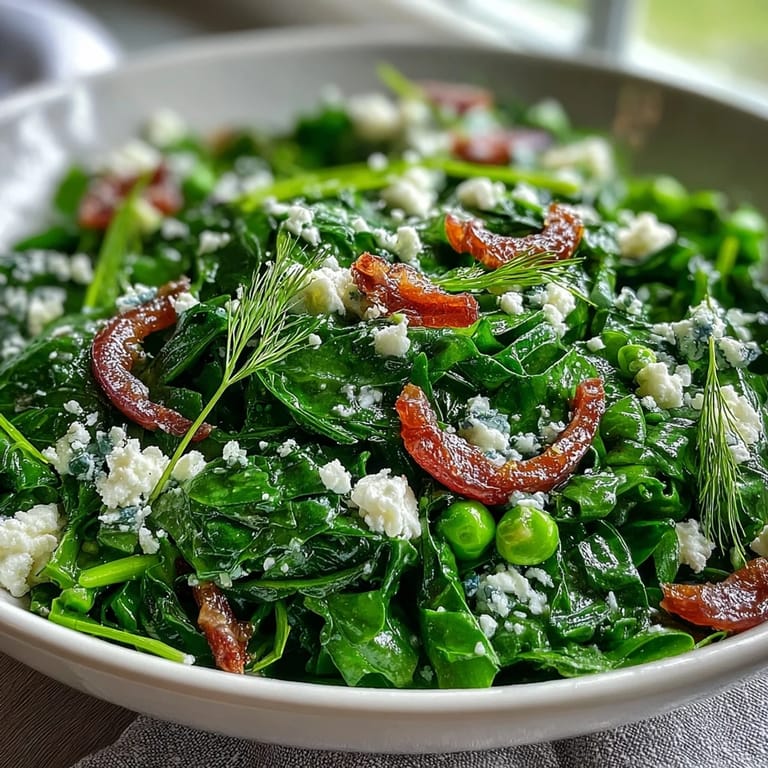
Save There's a particular moment each spring when I open the farmer's market bag and catch that bright, almost grassy smell of fresh peas still in their pods—that's when I know it's time to make this salad. My neighbor stopped by one April afternoon just as I was slicing radishes paper-thin, and the crunch of them on the cutting board made her pause and ask what I was making. By the time I'd whisked together the lemon vinaigrette, she was already pulling up a chair, convinced she needed to learn this one.
I made this for a potluck once where everyone brought heavy casseroles, and watching people's faces shift when they tasted something this fresh and zingy was its own small victory. Someone actually asked for the recipe before they'd finished their first bite, which doesn't happen often at these things.
Ingredients
- Mixed spring greens (4 cups): Use arugula, baby spinach, and watercress if you can find them all—the peppery bite of arugula especially matters here, though any tender spring mix works if that's what your market has.
- Sugar snap peas (1 cup): Slice them on the diagonal, which isn't just for looks—it exposes more surface area to the dressing and makes them more interesting to eat.
- Fresh or thawed green peas (1 cup): Frozen peas are genuinely better than fresh ones that have been sitting around, so don't feel bad using the freezer version.
- Radishes (6, thinly sliced): The mandoline is tempting here, but a sharp knife and a steady hand give you better control and fewer knuckle scares.
- Red onion (1/4 small, thinly sliced): This much onion adds color and a whisper of sharpness without overwhelming anything else.
- Extra virgin olive oil (1/4 cup): Quality matters in a dressing this simple—use one you'd actually taste on its own.
- Fresh lemon juice (2 tablespoons): Never bottled; fresh lemons take 30 seconds to juice and make all the difference in brightness.
- Lemon zest (1 teaspoon): Grate it right before making the dressing so it doesn't sit around losing its oils.
- Dijon mustard (1 teaspoon): This is the secret ingredient that helps the oil and lemon emulsify, and it adds a subtle depth that people won't be able to name.
- Honey (1 teaspoon): Just enough to round out the acid and add a whisper of sweetness that balances the radishes.
- Sea salt (1/2 teaspoon): Finish with a crack of fresh pepper, which you should grind just before eating.
- Fresh chives (2 tablespoons, chopped): These add an onion note that's gentler and more elegant than raw onion alone.
- Feta cheese (2 tablespoons, crumbled, optional): If you use it, let it be creamy and good—the salty funk matters.
Tired of Takeout? 🥡
Get 10 meals you can make faster than delivery arrives. Seriously.
One email. No spam. Unsubscribe anytime.
Instructions
- Prep your vegetables:
- Wash and dry your greens thoroughly—wet leaves will dilute the dressing and make everything sad. Slice the radishes thin enough to see light through them, and trim the sugar snap peas into diagonal pieces that feel elegant to pick up.
- Build your salad base:
- Toss the greens, both types of peas, radishes, and red onion together in a large bowl, using your hands to combine everything gently so nothing bruises. At this point it just looks like a pile of fresh things, which is exactly right.
- Make the vinaigrette:
- Whisk the olive oil, lemon juice, zest, mustard, honey, salt, and pepper in a small bowl or jar—you'll see it go from separated and slick to creamy and emulsified, which takes about a minute of actual whisking. Taste it before you dress the salad, because this is your chance to adjust if you want more lemon or salt.
- Dress and serve:
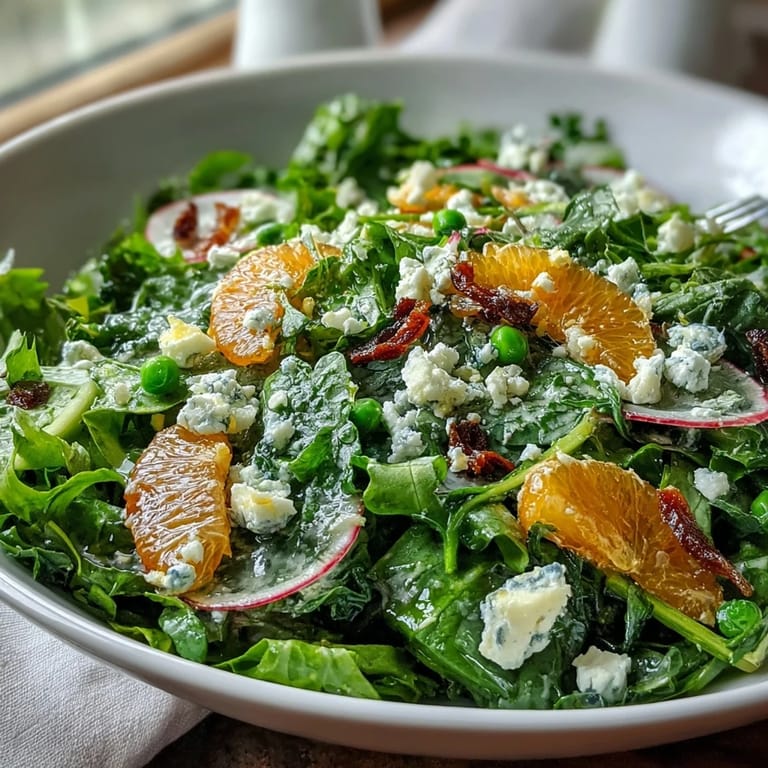
- Drizzle the vinaigrette over the salad and toss everything together gently but thoroughly so every leaf gets coated. Divide into bowls or onto a platter, scatter chives and feta over the top, and serve immediately so nothing gets soggy.
 Save
Save There was a day last May when I made this salad for myself alone, pulled up a chair in the garden with a glass of cold white wine, and realized I wasn't eating it quickly to get back to something else. That's when you know a recipe has become something worth keeping.
When Radishes Are Your Main Character
Radishes get overlooked, often tucked into salads as a minor note when they could be the whole reason you're eating. The ones in this salad aren't hiding—they're thinly sliced so their peppery crunch becomes impossible to miss, and the lemon dressing actually mellows them slightly while keeping that bright bite intact. I've started buying radishes specifically for this, choosing the smallest ones I can find because they're sweeter and more tender than the monster-sized ones.
The Lemon Vinaigrette That Changes Everything
Most vinaigrettes use vinegar, but this one leans entirely on lemon juice, which means the flavor is cleaner and more spring-like. The mustard acts as an emulsifier, which is the fancy way of saying it helps the oil stay suspended instead of separating and sliding off your greens. I sometimes make extra and keep it in a jar in the fridge, where it lasts about three days and gets better as the flavors meld.
Making It Your Own
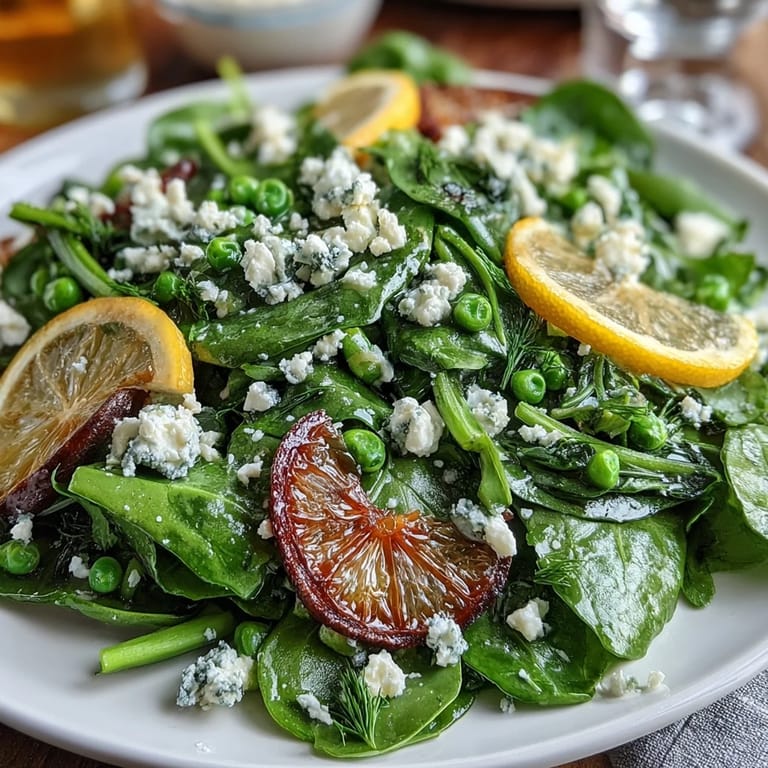
This is a salad that celebrates simplicity, but it also welcomes small additions if you want to build on it. Toasted nuts add crunch, grilled chicken or salmon turns it into dinner, and different cheeses change the whole mood depending on what you're in the mood for. The core of the salad stays light enough that you can play around without losing what makes it special.
- Toast sunflower seeds or sliced almonds in a dry pan for a minute just before serving so they stay crispy.
- Grill thin chicken breasts or salmon fillets separately and slice them to lay across the top.
- Swap the feta for creamy goat cheese or sharp aged cheddar depending on what's calling to you.
 Save
Save This salad taught me that spring doesn't need much—just good ingredients, a moment to appreciate them, and someone to share it with. Make it when the market smells like green things and the weather stops needing an apology.
Recipe Q&A
- → Can I make this salad vegan?
Yes, simply omit the feta cheese or substitute with a vegan feta alternative to keep it plant-based.
- → What types of greens work best in this salad?
Mixed spring greens like arugula, baby spinach, and watercress provide an excellent base with varied textures and flavors.
- → How can I add crunch to this salad?
Try adding toasted sunflower seeds or sliced almonds for a satisfying crunch without overpowering the fresh ingredients.
- → Is it okay to use frozen peas?
Yes, thawed frozen peas work well and offer convenience without sacrificing sweetness or texture.
- → What dishes pair well with this salad?
This bright salad pairs beautifully with grilled chicken, salmon, or a crisp Sauvignon Blanc for a balanced meal.